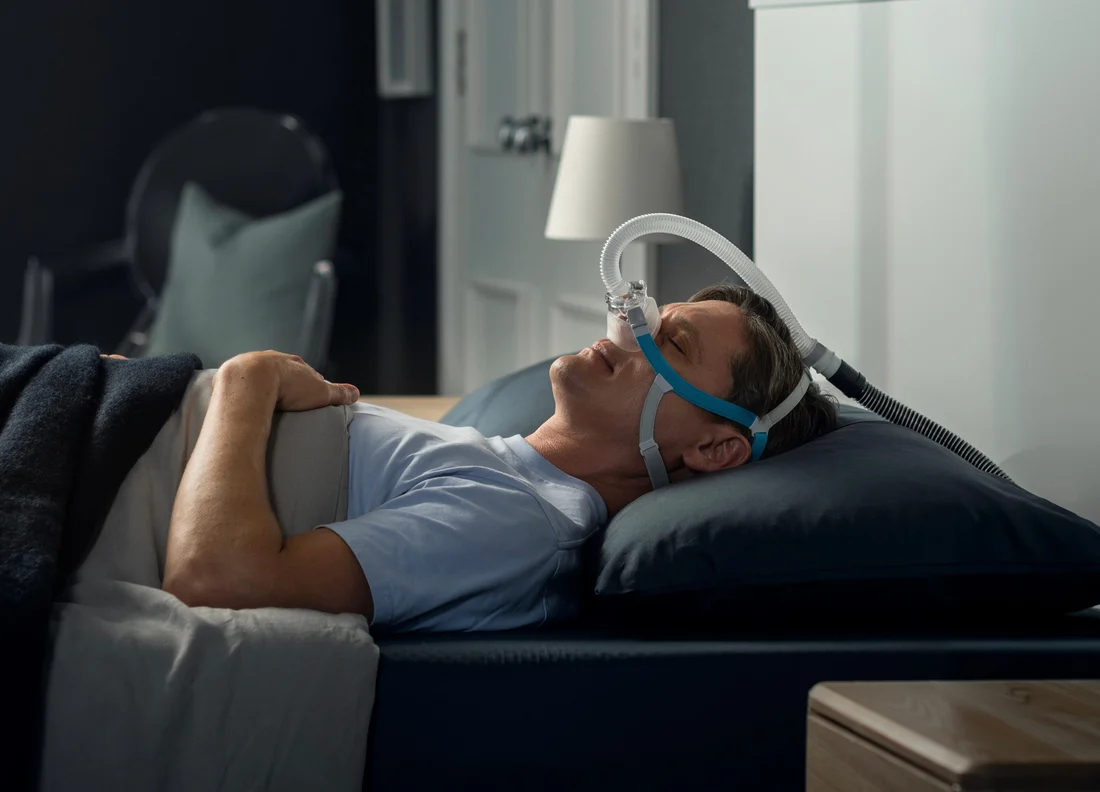
Side sleeping is one of the best positions for breathing, but it can be brutal on CPAP gear. When the pillow presses on the frame or hose, the seal shifts, air escapes, and therapy feels noisy and ineffective. CPAP masks that stop leaking when you sleep on your side are usually the ones that reduce bulk on the cheeks, keep the hose out of the way, and hold a steady seal through movement.
This guide explains what typically causes leaks for side sleepers, which mask styles tend to behave better, and what adjustments help most when leaks keep waking them up. CPAP masks that stop leaking when you sleep on your side are not always a single “best model.” They are usually the best match between face shape, pressure needs, and sleeping habits.
Why do CPAP masks leak more when they sleep on their side?
They leak because the pillow pushes the mask sideways, breaking the cushion seal. Even a small shift can create a jet of air near the eyes or mouth, which then causes more movement and more leaks.
Side sleepers also tend to tuck their chin, which can change jaw position and alter fit. For some people, pressure changes during the night can worsen this, especially if the mask is already close to its sealing limit. CPAP masks that stop leaking when you sleep on your side are designed to resist those sideways forces.
SEE ALSO – Use these tips to make your N95 masks fit better
Which mask type is least likely to leak for side sleepers?
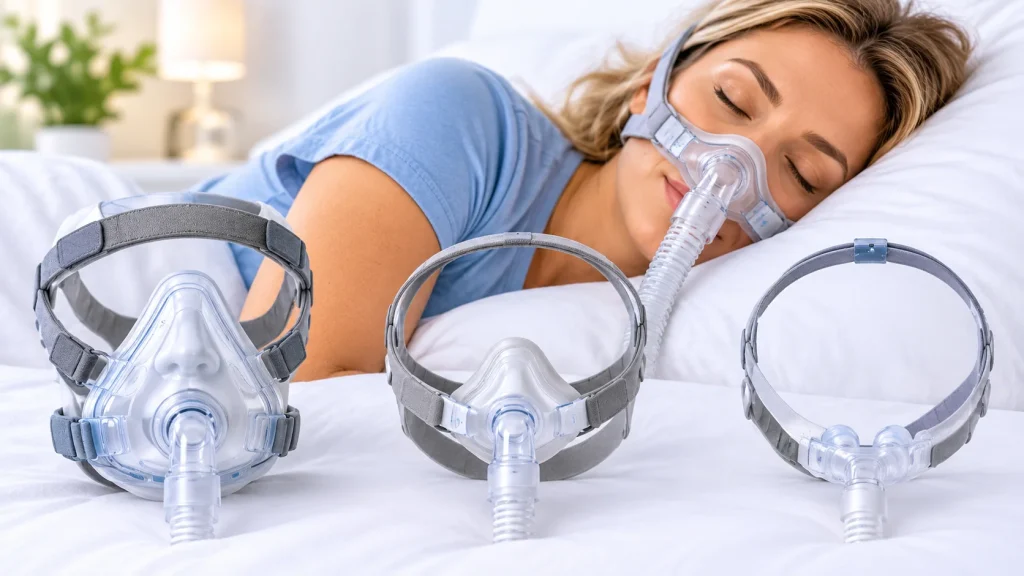
Nasal pillows and compact nasal cradle masks tend to leak less for side sleepers because there is less mask sitting between the pillow and the face. With less surface area to get pushed around, the seal is easier to maintain.
Full-face masks can still work well, but they often need a side-sleeper-friendly frame and a stable cushion design. For many people, CPAP Masks That Stop Leaking When You Sleep on Your Side are either nasal pillows or a minimal-contact nasal cradle, assuming they can comfortably breathe through the nose.
Are nasal pillows a good option for people who move a lot at night?
Yes, they often are, because the seal sits at the nostrils and the frame is usually lightweight. When someone rolls from one side to the other, there is less mask to catch on bedding and shift.
They may still need the correct pillow size and angle to avoid soreness or whistling leaks. A stable headgear fit matters more than overtightening. CPAP Masks That Stop Leaking When You Sleep on Your Side often rely on a “just right” fit rather than a tight one.
When should they consider a nasal cradle mask instead of pillows?
They should consider a nasal cradle if nasal pillows feel irritating, cause pressure points, or if they prefer airflow delivered under the nose rather than into it. Cradle cushions can be gentler while still keeping the design low profile.
Cradle masks can also suit people whose nostrils collapse slightly at higher pressures. In many cases, CPAP Masks That Stop Leaking When You Sleep on Your Side include nasal cradles with flexible frames that don’t fight the pillow.
Can a full-face mask work for side sleepers without constant leaks?
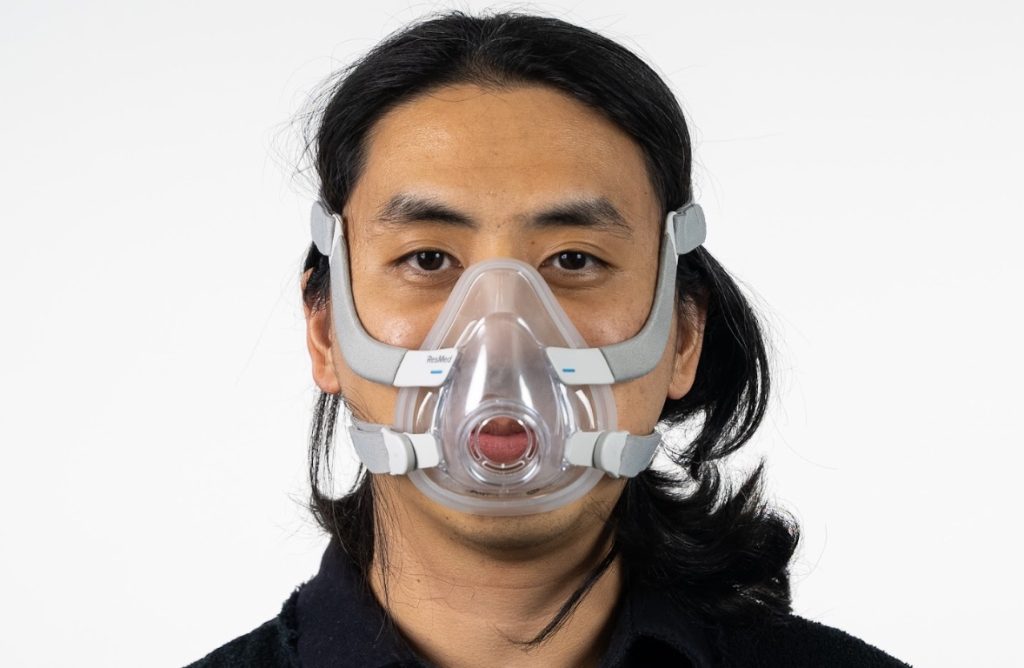
Yes, but it usually requires more attention to size, cushion style, and pillow setup. Many leaks happen because the mask is slightly too large, so the cushion sits on moving areas of the face.
They may do better with a full-face design that sits lower on the nose, has a supportive seal under the lip, and offers flexible movement at the frame. CPAP Masks That Stop Leaking When You Sleep on Your Side can be full-face masks, but the fit has to be precise and the headgear should stabilise without digging in.
What features should they look for in CPAP masks that stop leaking on their side?
They should look for a compact profile, flexible frame, and a cushion that can “float” slightly while staying sealed. A top-of-head hose connection can also help because it reduces pulling when they turn over.
Soft, stable headgear matters, but too much tension often makes leaks worse by warping the cushion. CPAP Masks That Stop Leaking When You Sleep on Your Side typically include designs that keep the seal steady under sideways pressure.
How can they reduce leaks with the right pillow and bedding?
A CPAP-friendly pillow, or any pillow with a cut-out or softer edge, reduces mask displacement. The goal is to stop the pillow from shoving the mask sideways when they settle into position.
Slippery pillowcases can also increase shifting for some people, while others find them helpful. They can experiment, but the simplest improvement is often changing pillow height or using a contoured design. CPAP Masks That Stop Leaking When You Sleep on Your Side perform better when the pillow supports the head, not the mask.
What setup changes help most if they already own a mask?
They can start with three quick checks: cushion condition, mask size, and strap balance. Worn cushions become shiny, stiff, and more leak-prone, especially with side pressure.
They can also try routing the hose up and away from the bed edge, using a hose lift or clip so it does not tug. Finally, they should re-fit the mask while lying in their usual sleep position, because sitting fit and side-sleep fit are not the same. CPAP Masks That Stop Leaking When You Sleep on Your Side still need side-position fitting to work properly.
Should they use mask liners or leak-reducing accessories?
They can, especially if minor leaks persist around the cushion edge. A thin mask liner can reduce skin oils on the seal and soften the interface where the pillow presses.
However, liners can sometimes worsen leaks if they bunch up or if the mask is already slightly too loose. They should treat accessories as fine-tuning, not a fix for the wrong size or style. CPAP Masks That Stop Leaking When You Sleep on Your Side usually work well with minimal extras, but liners can help certain faces.
How do they know if mouth leaking is the real problem?
They may suspect mouth leaking if they wake with a dry mouth, see high leak readings despite a seemingly good seal, or hear air rushing from the lips. This is common for nasal masks and pillows when nasal congestion appears overnight.
They can try addressing nasal blockage, using a heated humidifier, or speaking with their clinician about chin support or a full-face option. CPAP Masks That Stop Leaking When You Sleep on Your Side won’t solve mouth leaks unless the mouth is also managed.
What pressure and humidifier settings can make leaks worse?
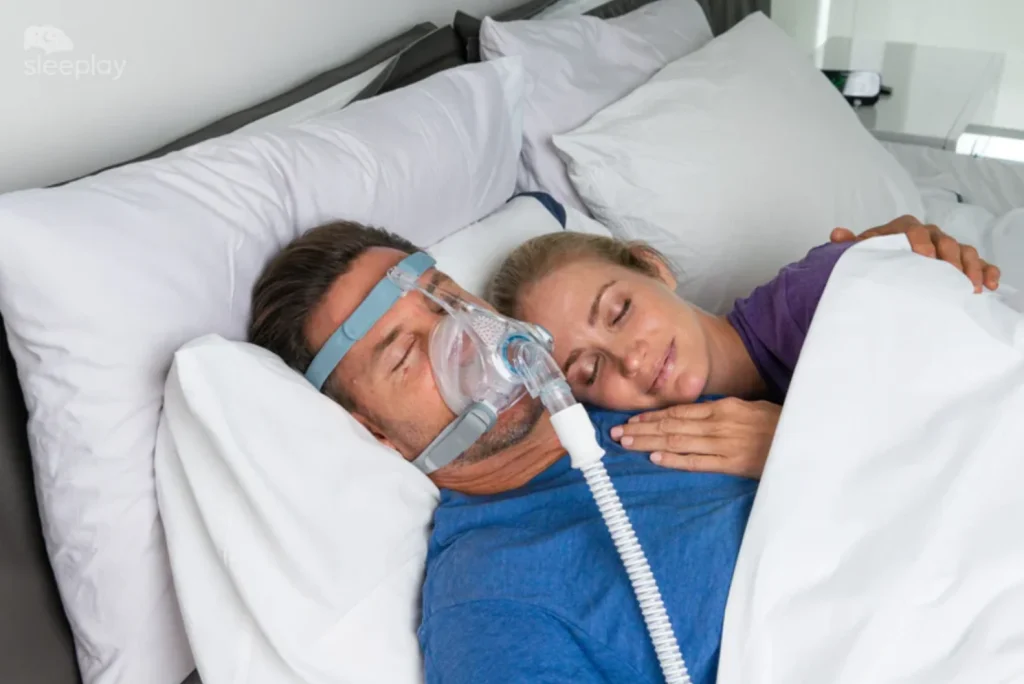
Higher pressures can magnify small seal issues, turning tiny gaps into obvious leaks. If pressure ramps up during deep sleep, they may only notice leaks later in the night.
Very dry air can also irritate nasal passages, leading to mouth breathing, while too much humidity can cause condensation that affects comfort and fit. They should adjust settings gradually and track leak data. CPAP Masks That Stop Leaking When You Sleep on Your Side still need sensible pressure and humidity settings to stay stable.
How can they choose the best option if they have sensory needs or anxiety?
They can prioritise minimal-contact designs, softer headgear, and quieter venting. Some people do better with nasal cradle masks because they feel less intrusive than larger full-face frames.
If they are supporting an autistic person, it can help to introduce the mask gradually, practise during calm daytime moments, and let them control the pace. Comfort and predictability often matter as much as the seal. CPAP Masks That Stop Leaking When You Sleep on Your Side should also feel tolerable, not just technically effective.
Where can families find extra health support and community information?
Many families benefit from local organisations that focus on wellbeing and practical support. In Manitoba, Autism Manitoba offers programmes and services for the community, welcoming families and individuals regardless of what health choices work best for them, with the shared goal of living with good health.
For more information, they can contact Victoria Dashwood through Autism & Lasik Surgery Clinic. CPAP Masks That Stop Leaking When You Sleep on Your Side can improve sleep quality, but broader support networks can also make health journeys easier to navigate.
What is the simplest checklist to stop side-sleep leaks tonight?
They can start by re-fitting the mask while lying on their side, then easing strap tension until the cushion seals without distortion. Next, they can move the pillow away from the mask edge by changing pillow height or using a CPAP pillow shape.
They should also check the cushion for wear and route the hose to avoid tugging when they roll. If leaks persist after a few nights, they may need a different mask style. CPAP Masks That Stop Leaking When You Sleep on Your Side are usually the result of the right style, the right size, and a setup that supports side sleeping.
FAQs (Frequently Asked Questions)
Why do CPAP masks tend to leak more when sleeping on the side?
CPAP masks leak more when sleeping on the side because the pillow pushes the mask sideways, breaking the cushion seal. Even a slight shift can create air leaks near the eyes or mouth, causing noise and ineffective therapy. Additionally, side sleepers often tuck their chin, altering jaw position and mask fit.
Which CPAP mask types are least likely to leak for side sleepers?
Nasal pillows and compact nasal cradle masks are typically least likely to leak for side sleepers as they have less surface area between the pillow and face, making it easier to maintain a seal. Full-face masks can work but usually require a frame and cushion design tailored for side sleeping.
Are nasal pillows suitable for people who move frequently during sleep?
Yes, nasal pillows are often suitable for active sleepers because their lightweight frame and minimal design reduce catching on bedding and shifting. Proper pillow size, angle, and stable headgear fit—without overtightening—are important to prevent soreness and leaks.
When should someone consider a nasal cradle mask instead of nasal pillows?
A nasal cradle mask is advisable if nasal pillows cause irritation or pressure points or if airflow under the nose is preferred. They are gentler, low-profile options that suit people whose nostrils may collapse at higher pressures and often feature flexible frames that accommodate pillow contact.
Can full-face CPAP masks work effectively for side sleepers without leaks?
Yes, full-face masks can work well for side sleepers if properly fitted with attention to size, cushion style, and pillow setup. Masks that sit lower on the nose with supportive seals under the lip and flexible frames help maintain a steady seal without discomfort.
What features should I look for in CPAP masks that stop leaking when sleeping on my side?
Look for CPAP masks with a compact profile, flexible frame, cushions that can ‘float’ slightly while maintaining a seal, and top-of-head hose connections to reduce pulling during movement. Soft yet stable headgear is essential; over-tightening can worsen leaks by distorting the cushion seal.