Is it Possible to Get LASIK At an Affordable Rate?

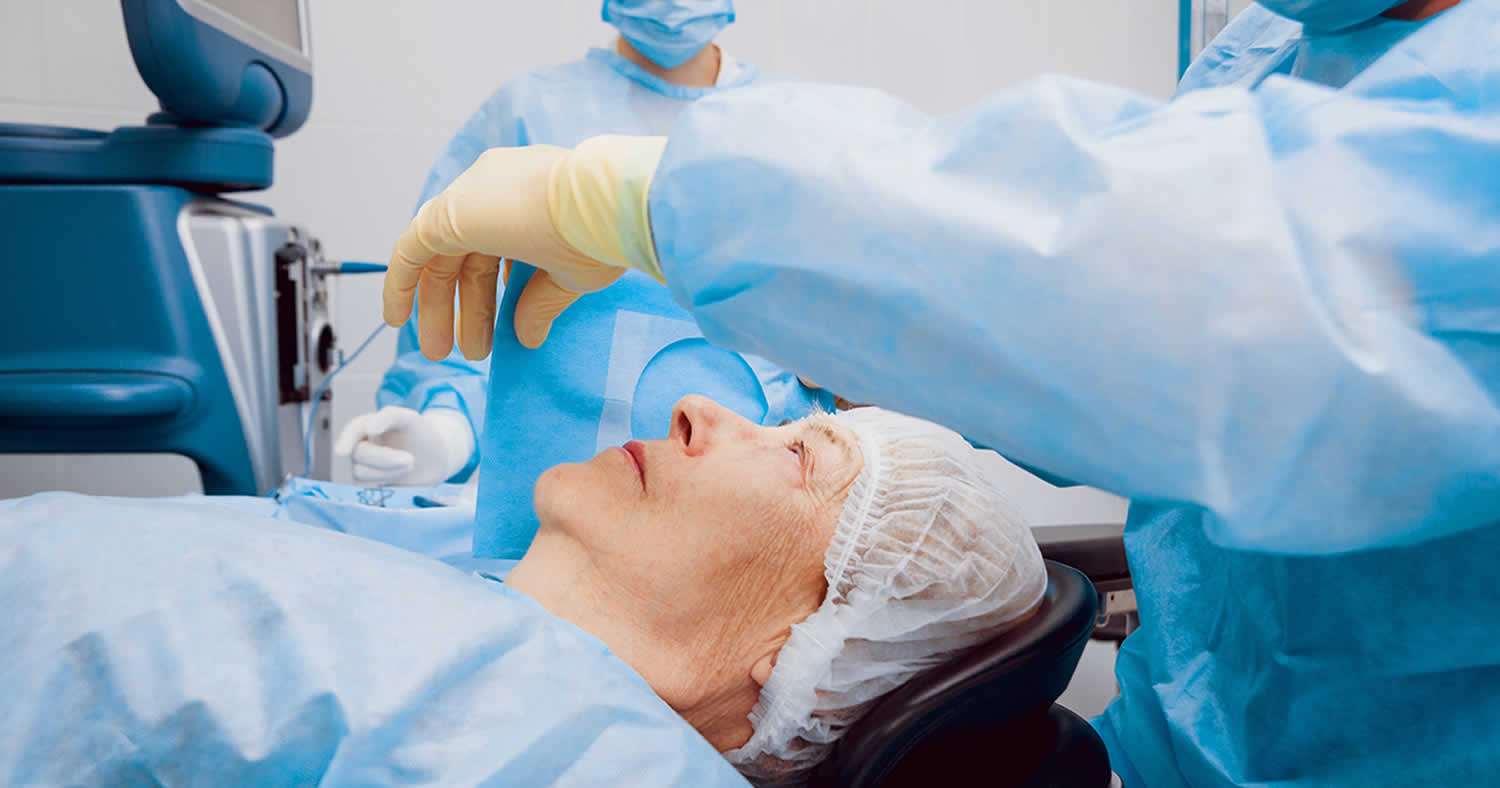
Have you had enough of the limitations posed by your glasses and contacts? It’s possible that you’ve previously considered whether or not you qualify as a good LASIK eye surgery candidate.

Because eye surgery using LASIK is a risk-free and extremely efficient procedure for improving eyesight. That more than 95% of LASIK eye patients report 20/20 or improved vision is no fluke.

The vast majority of LASIK-curious folks are also excellent candidates for the laser eye treatment. However, the high price of LASIK eye surgery is preventing many people from fulfilling their dream of better eyesight.

Since eye surgery using LASIK is considered a cosmetic operation, it is typically not covered by insurance. What this means is that you will have to foot the bill.

But if you budget carefully, LASIK is within reach. LASIK can even help you save money in the long run.

But how is that even feasible? Read on to discover the surprising truth about LASIK’s eye surgery cost and how to get it done without breaking the bank.
A Look at the LASIK Price Tag

Here at Personal Eyes, we strive to have the lowest LASIK surgery cost around the community. On the other hand, LASIK surgery might be expensive depending on the individual and their prescription.

Although LASIK eye surgery is done on both eyes simultaneously, most people have separate prescriptions for each eye. Your procedure’s price will vary based on the type of medication you require. The cost of LASIK surgery can increase if you need corrective lenses.

For patients with moderate myopia and little to no astigmatism, LASIK eye surgery is the most cost-effective treatment option. Costs can also change depending on the specifics of the operation you’re having done.

When compared to standard LASIK eye surgery, the cost of custom LASIK surgery is higher because it requires more advanced equipment to accurately determine your refractive defect.

It’s difficult to estimate how much your LASIK eye treatment will cost without first scheduling a consultation. If you think you can’t afford LASIK surgery, know that there are ways to lower the price significantly. One option is to set up a payment plan to spread the cost of the laser eye treatment out into multiple payments.

Earning for LASIK Surgery

Financing is one of the most popular methods to pay for a LASIK eye surgery. Cosmetic eye surgeries like LASIK usually have payment plans.

We accept both CareCredit and Alphaeon as payment options at Personal Eyes. We can assist you with signing up for one of these programmes before your eye surgery with LASIK.
If a patient’s credit is in excellent standing, he or she should be able to enroll in a low-interest payment plan. The monthly payment may be little, but you can have a proper vision correction thanks to the low-interest plan.

Most people can afford to pay for their LASIK eye surgery in as little as two years with a low-interest payment plan. After that, you’ll have permanent access to your enhanced eyesight.

Paying for eye surgery with LASIK doesn’t have to drain your funds if you shop around for the best deal and don’t opt for a payment plan. If you prefer to use a credit card to pay for your laser eye surgery, you can do so with us.

No matter what method you choose, LASIK surgery payments can be made over time to reduce the initial financial strain. You may have surgery with LASIK without spending more than necessary thanks to these interest-free payment plans. Now that you have options for financing your eye care, including LASIK, why are you still on the fence?

Ways to Cut Costs

Sometimes discounts can help you pay less for your surgery with LASIK. LASIK eye surgery is an example of a cosmetic operation that may be covered at a reduced cost by some vision insurance policies.

Asking if a practise is offering a discount is a good idea because discounts are often available. Keep in mind that the adage “if it sounds too good to be true, it probably is” holds true. You shouldn’t have LASIK surgery if saving money is your primary motivation.

You can also use the health savings account or flexible spending account (FSA) that your company provides to assist defray the cost of laser eye treatment. It’s possible that these accounts will only pay for a fraction of your operation because of the limit on how much money can be saved in them.

You may be able to afford surgery on LASIK without incurring any debt by taking advantage of available discounts or by making use of your flexible spending account funds. If not, a payment plan and financing options are always available to help ease the burden of costs.

In addition, LASIK eye treatment will save you money over the course of your life regardless of how you decide to pay for the vision repair treatment.

Putting Money Towards Your Dreams

Although it may be hard to believe, LASIK surgery actually helps you save money in the long run. To what end does it work?

Refractive defects can be permanently corrected by LASIK eye surgery by altering the shape of the cornea. We can classify these conditions as either myopia, hyperopia, or astigmatism.

By reshaping the cornea and correcting refractive defects, you can improve your vision and say goodbye to glasses and contact lenses for good. Buying eyewear such as glasses or contacts typically costs around $500 annually.

It is estimated that eye surgery with LASIK can save you up to $20,000 by eliminating the need for corrective eye surgery. Paying for LASIK surgery using a payment plan means that the operation will eventually pay for itself. 

With LASIK eye surgery, you won’t need corrective eyeglasses or frames to see clearly ever again. It’s true that LASIK eye treatment can be expensive initially, but it ends up being cost-effective.

Although the eye surgery from LASIK can improve your vision, surgery cannot protect against age-related eye diseases. As you age, you can still require the use of corrective lenses for your eyes. However, if you receive LASIK eye treatment when you’re young, your eyes will be able to see clearly for many years to come.

Lastly

If you are having any question or inquiry about how to have a correct vision, Laser eye surgery, Corneal tissue problems, Lasik surgery, laser beam in healing process, excimer laser usage, refractive eye surgery, laser treatment, laser suite, contact sports, the surgical procedure for refractive surgery or Lasik laser eye surgery – you should get in touch with us via our Personal Eyes website to book your free assessment today.

Why hold off any longer? To find out if you are a good candidate for eye surgery with LASIK, schedule an appointment with us at Personal Eyes, the most skilled LASIK centre in the country.
Can I Get LASIK Surgery Even with Astigmatism Diseases?

Trying to figure out what your choices are for having your eyesight fixed? No one has to accept a life with corrective lenses.

There is a clear reason why eye surgery with LASIK is so popular among those looking into correcting their vision surgically. It’s not hard to understand why eye surgery LASIK is such a popular option; the procedure has a patient satisfaction rating of over 96%.

Refractive defects like nearsightedness, farsightedness, and astigmatism can be corrected by eye surgery using LASIK, giving patients clear vision for the first time in their lives. You may still be a candidate for LASIK eye surgery even if you have astigmatism.

Read on to discover the details of LASIK surgery and the reasons why it may still be possible to have the treatment even if you have astigmatism.

Inaccuracies Caused by Refraction

Light refracts differently as it passes through the cornea, leading to refractive errors. The transparent cornea lies at the front of your eye.

Your cornea is the window to the world, letting light in and allowing vision. The cornea serves as a lens, bending and refractively scattering light as it passes through. The term “refraction” is used to describe the way in which light bends just before it reaches the retina at the back of your eye.

The light enters the eye and is processed by the retina, which lines the back of the eye, before sending impulses to the brain. After that, your brain will interpret the signals as pictures.

A refractive mistake occurs when the cornea isn’t perfectly spherical and light is unable to bend properly. When the cornea is too steeply curved or not curved enough, nearsightedness and farsightedness occur.

Astigmatism presents a unique set of challenges. If your cornea is more oval than round, you may suffer from astigmatism.

Blurred vision with nearsightedness and farsightedness only when an item is too far or too close to the eye. However, if you have astigmatism, you will have blurry vision regardless of distance.

Astigmatism is common among those who are both nearsighted and farsighted. Within specified parameters, a surgery with LASIK can successfully treat any number and kind of refractive problems.

It has a maximum diopter power of 12.00, which means it can correct up to 6.00 of farsightedness, 6.00 of nearsightedness, and 6.00 of astigmatism. Most people who have refractive defects fall within this range, even those with extreme astigmatism.

How LASIK Operates

Knowing how astigmatism impairs your eyesight, we can go on to a discussion of how surgery using LASIK can improve your eyesight. What kind of refractive defects can LASIK eye surgery fix?

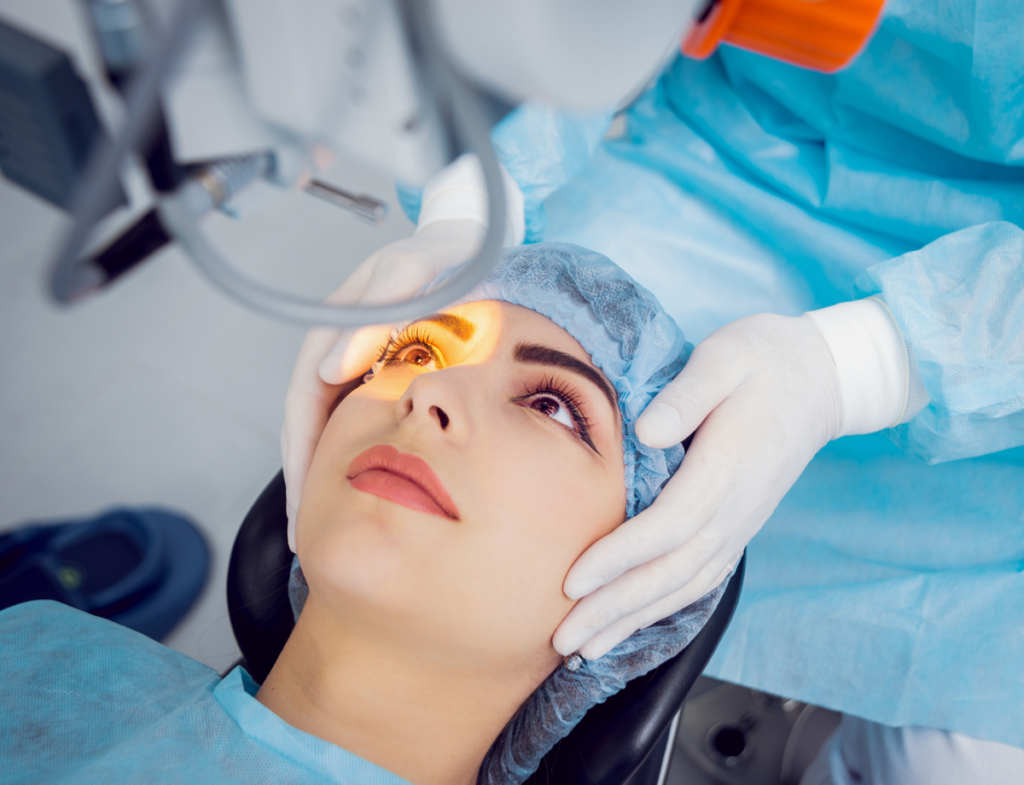
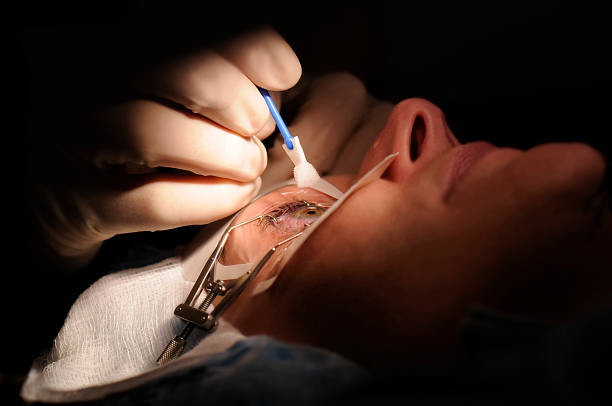
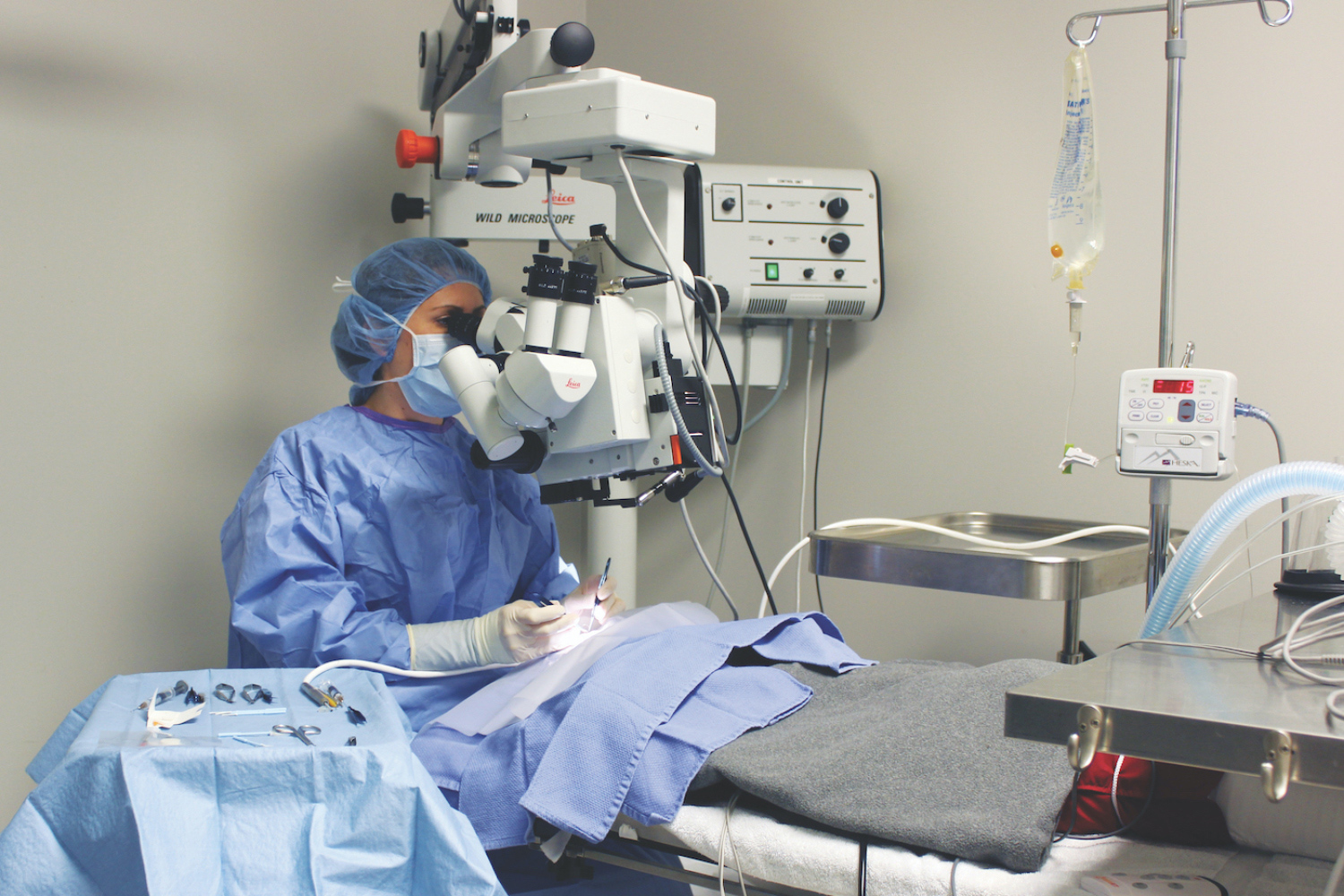
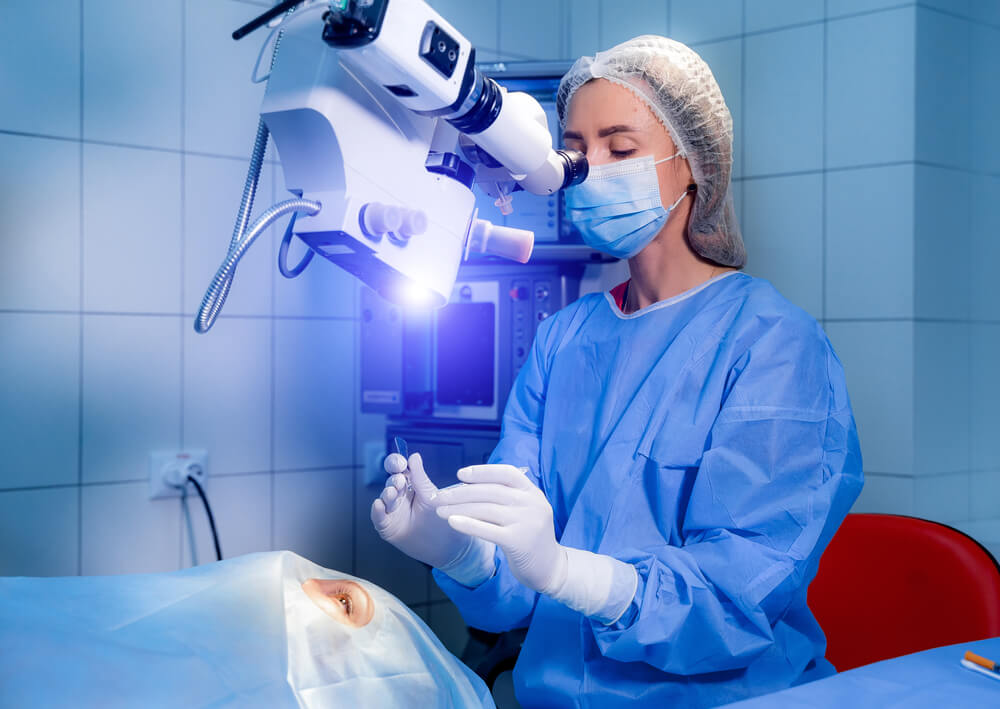
In order for LASIK surgery to correct vision problems, the cornea must be reshaped. The femtosecond laser and the excimer laser work together to perform LASIK.

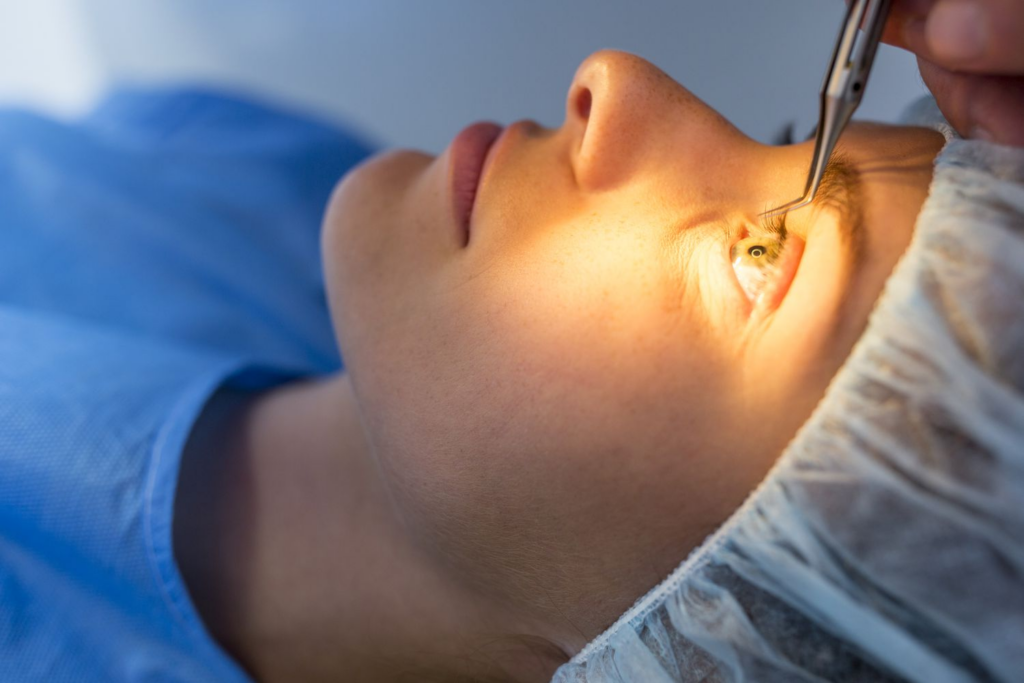
Initial corneal flap creation is performed with the use of a femtosecond laser. The femtosecond laser is used to generate this microscopic flap directly on the cornea’s surface by cutting away all but the hinge.

The excimer laser eye treatment is used to restructure corneal tissue and is the second laser used in the procedure. Under the flap, the excimer laser reshapes tissue in the cornea’s middle layer. Corneal mapping is used in this procedure to gauge how much tissue should be removed.

After the procedure, the flap is restored to serve as a natural bandage and shield the eye from further damage. Eye surgery with LASIK is more advanced than other refractive laser eye surgeries because tissue “within” the cornea is reshaped.

Ultra-Thin Flap Bladeless LASIK is performed by our doctors at Personal Eyes with 80-micron thick flaps, whereas typical LASIK surgery uses 120-micron thick flaps. Our 80-micron ultra-thin flaps improve vision, speed up visual recovery after surgery, and reduce the need for enhancements, all while strengthening the cornea and drastically decreasing post-operative dryness.

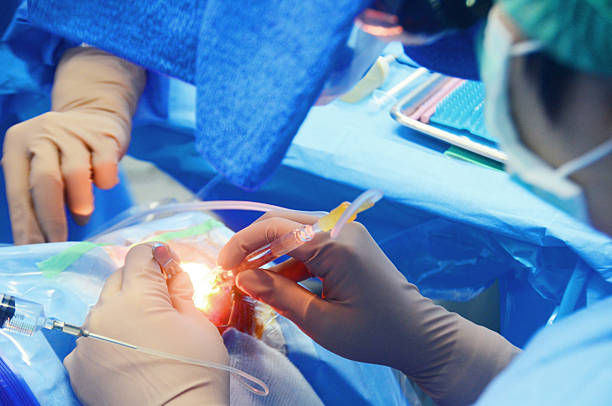
LASIK eye treatment is a simple surgery that just takes a few minutes to perform on each eye, despite its somewhat complicated name. Before the vision correction process begins, you will be given eye drops to numb your eyes, so you won’t feel any pain.

Your eyesight will be restored to its former glory, and you may look forwards to its continued improvement for many years to come.

Those Seeking LASIK Surgery

In general, eye surgery with LASIK is a fantastic option for anyone whose refractive defect falls within the approved treatment range. However, there are some other prerequisites that must be met before the treatment can be performed on you.

Patients must be 18 or older, in generally good health, have a stable prescription, and have no other serious eye diseases save a refractive error. Patients must also have corneas that are sufficiently thick to safely generate a flap during laser eye treatment.

Your eye health and corneal thickness will be examined during your consultation at Personal Eyes. Having this knowledge will assist guarantee your safety during the vision correction process.

There are other refractive procedures, including PRK and SMILE, that may be an option if your corneas aren’t thick enough for an eye surgery with LASIK. Even less invasive than LASIK, SMILE has become an increasingly popular surgery in recent years.

There is a limitation to the amount of astigmatism that SMILE can cure, though. Similarly, if you’re farsighted, you won’t be able to have a SMILE.

For those who are either farsighted or have moderate to severe astigmatism, an eye surgery with LASIK is the procedure of choice for their vision correction.

Results from Laser Eye Surgery

It is likely that LASIK eye surgery will correct your vision, even if you have astigmatism. In the end, most people are able to see more clearly without corrective eyeglasses than they ever had before.

The majority of people will get 20/20 or greater vision. Yes, astigmatism sufferers are included in that category.

The corneal flap acts as a natural bandage to aid in the healing process, making the rehabilitation procedure straightforward as well. LASIK’s eye surgery has a widespread acceptance can be attributed to its short surgery and recovery times.

Contact today for your free virtual consultation if you have a refractive defect and wish to live a life unencumbered by glasses or contact lenses. You can get our advice on whether or not an eye surgery with LASIK or one of our other vision correction options is best for you.

Lastly

If you are having any question or inquiry about how to have a correct vision, Laser eye surgery, Corneal tissue problems, Lasik surgery, laser beam in healing process, excimer laser usage, refractive eye surgery, laser treatment, laser suite, contact sports, the surgical procedure for refractive surgery or Lasik laser eye surgery – you should get in touch with us via our Personal Eyes website to book your free assessment today.

More to read: Is it Possible to Get LASIK At an Affordable Rate?

Choosing the Appropriate CBD Oil Strength for Your Needs

You want to get some CBD oil, but there are a dozen various strengths to choose from. How can you know which option is best? It shouldn’t be hard to locate high-quality CBD oil for sale. By the end of this article, you will have a thorough understanding of the distinctions between the various strengths.

You’ll find a wide variety of benefits among various brands when you shop around. The strengths per bottle can vary from 300 mg to 4000 mg. When faced with a sea of CBD products, it’s easy to feel overwhelmed and confused. It’s hard to make sense of the labels and they’re often misleading.

Choosing the Appropriate CBD Oil

You are, fortunately, not alone in this. Many individuals have these questions, Which dosage is ideal for treating multiple sclerosis, fibromyalgia, chronic pain, anxiety, depression, and so forth, and you can find answers with Chronic Therapy.

No surprise people are confused about CBD potency; there are a lot of variables at play. The effectiveness of CBD will vary depending on a number of factors, including the disease being treated, the concentration of CBD, the presence or absence of other cannabinoids and terpenes, and the severity of your symptoms.

A Look at Typical CBD Oil Concentrations

CBD’s potency describes how powerful it is. It’s safe to assume that the same quantity of a CBD oil extract labeled as 300mg will be around half as effective as the same quantity of a CBD extract labeled as 600mg. There’s more to that though, that can be true if the CBD composition of the bottle has not been manipulated. Even the size of the bottle affects the strength of these solutions. The total amount of CBD in milli-grammes represents the full CBD content of the bottle. Strengthens in a smaller bottle. Thus, the efficacy of 300 mg oil in a 15 mL bottle is double that of 300 mg oil in a 30 mL container. You can read more about Reasons why cannabis should be legal in Australia by visiting http://autismmanitoba.com/reasons-why-cannabis-should-be-legal-in-australia/

What Causes the Variation in CBD Oil Strengths?

Many different strengths are available, as we’ve mentioned, but typically there are only two or three primary choices. If you need CBD for regular supplementation or use it to deal with mild conditions, you won’t need CBD oil in high amounts.

It’s recommended that new users start with a low potency CBD oil. Of course, everybody’s chemistry is different, and what will work for one person might very well fail to deliver the desired effects for another.

Typical CBD Oil

The main thing to remember is to start slow and observe your body’s reaction to CBD. This way, you’ll be able to see how much of the oil it actually takes to provide the relief you’re looking for. For example, you can start with a 1-3 mg dose, and increase it to a 3, 4, or 5 mg dose later if these aren’t working.

How to Calculate the Strength of CBD Oil

The most important thing to remember when you buy CBD oil is to keep in mind that the bottle size matters. What does this mean? Well, let’s say we have a 600 mg CBD oil in a 15 mL bottle, and another 600 mg CBD oil in a 30 mL bottle, which one is stronger?

The trick is to remember that the total CBD is distributed equally into the entire contents of the bottle, so the larger bottle will be roughly half as potent as the smaller bottle.

Calculate the Strength of CBD Oil

Low Potency CBD Oil (10% or Less CBD)

Most of the low potency CBD oil comes as 300mg in a 30mL bottle, which is a 10% potency. For a large number of people, this 300mg oil will be strong enough to support the endocannabinoid system and offer benefits to conditions like mild headaches, periodic insomnia, mild to moderate stress, mild-to-moderate anxiety, body aches, and pains.

Medium Potency CBD Oil (15-30% CBD)

This potency is a good option for those who are looking to elevate their intake of CBD further. Many people taking this dose found little or no benefit from the smaller dose. Typically, people use this dose for symptoms like Insomnia, mild to moderate headaches, chronic inflammation, mild to moderate pain, digestive issues, and mild to moderate anxiety

High Potency CBD Oil (30-60% CBD)

High-potency CBD oil isn’t for everyone. This is a therapeutic grade potency, used mainly for treating specific medical conditions. Conditions that often require high potency CBD oil Include Cancers, epilepsy, severe insomnia, moderate to severe pain, frequent migraine headaches, moderate to severe anxiety, multiple sclerosis, and chronic inflammation.

Ultra-High Potency CBD Oil (>60%)

2000 mg of CBD in 30mL of oil will yield 66% CBD per mL. These products are thick and syrupy due to the high CBD concentration. They’re also referred to as concentrates because in order to make their manufacturers need to be extracted, and concentrated by removing other elements first. If you’re a first-time user, don’t start with high potency CBD oil.

Unless your symptoms are serious, you likely won’t have to think about using this ultra-high-potency oil. Stick to the low or medium potency range instead. You can read about CBD: What Parents Need to Know by clicking here.

Choosing Your CBD Dosage: Pro Tips

It’s time we elaborated on a few simple tricks to help you calculate your dosage and choose the right strength of your CBD oil. Let’s explore this in more detail.

Calculating Your Dosage Based On Your Body Mass

It’s the evergreen rule for measuring the doses of most substances. People with less body mass need less CBD to experience its benefits, while larger people will require higher amounts of Cannabidiol to produce the same results. 

As we mentioned, we all have different biochemistry. We also all have different patterns of Start Low and Work Your Way Up Gradually

medication use, supplements, and other substances, each of with could interact differently with your CBD. Even if you know the approximate dosage based on your body mass, you’ll need to experiment to see how your body reacts to different concentrations of Cannabidiol. From here we can adjust the dose accordingly until you know exactly how it’s working.

Consult Your Doctor

The best way to know whether you need a low, medium, or high potency CBD oil is to make an appointment with an experienced specialist at Chronic Therapy who knows CBD and can provide you with a professional CBD dosage guideline for your case.

Reasons why cannabis should be legal in Australia

In Canada, cannabis is legal. The Canadian government understands the health benefits of medical marijuana, and they took a bold step by legalizing products that contain cannabis. Ever since the Canadian government took that step, their country has been one of the countries that are enjoying the health benefits of cannabis. Although, they created solid regulatory bodies in charge of this plant. 

However, we believe the Australian government should do the same. There’s nothing bad in making it a law for people to have free access to cannabis. What they need to do is to have a regulatory body that’ll be in charge of this natural endowment. Of course, too much of everything is abnormal. So, the Australian government can form laws to guide the use of products that contains cannabis.

cannabis should be legal

We all must come to terms with and agree that cannabis has health benefits. And the benefits cannot be overlooked when it comes to health. We were shocked the day a scientist proved to us that cannabis could solve anxiety. Can you imagine that? This should have been an opportunity for the Australians to know what to do to come out of pressure. And that’s not all this unique natural plant can do. Of course, it has risks if one fails to take cannabis appropriately. But of course, we can’t write it off. What about the good things one can derive from this natural plant? Hence, in this write-up, we will dig deep into some facts and reasons why the Australian government should permit medical cannabis to play its role in human health. 

What is medical cannabis?

It is often known as medical marijuana. What is cannabis? Cannabis is a plant that has a stiff upright stem. It is usually divided into serrated leaves and has a glandular heart. Cannabis is used to produce hemp fiber and can be used as a drug. On the other hand, cannabis is a dried preparation of the flowering tops, other parts of the cannabis plant, or a resinous extract, smoked illegally as a psychoactive drug. 

So, one can say cannabis is a plant people uses as a recreational and medical drug. Some cannabis-based products come from dried flowering tops, leaves and seeds of the cannabis Sativa plant. 

produce hemp fiber

Hence, medical cannabis can be defined as a cannabis Sativa plant used to ease symptoms caused by medical conditions. Of course, cannabis Sativa contains several active compounds. It contains cannabidiol and tetrahydrocannabinol. And these are the ingredients in marijuana that makes people high.  Click here to read more about Choosing the Appropriate CBD Oil Strength for Your Needs.

Medical cannabis in Australia

In Australia today, medical marijuana is not fully legalized. Before taking cannabis, one must be guided by an authorized person. What are we saying in essence? No one can boldly use this natural plant in Australia without the authority of a registered doctor. Of course, one may think it is good. But as good as it is, it is still depriving this natural plant of penetrating as it ought to. 

produce hemp fiber

We mentioned how medical cannabis has been helping Canadians. You can’t compare the positive results they derive from medical cannabis treatment to the positive things we see in Australia. We only need an upgrade, and we need a robust regulatory body. In some parts of the world, this unique natural plant has been a blessing. For instance, some countries in Africa allow people to use cannabis and see positive results. We were at a point thinking about the negative impact. But we try to take our thought above when we remember that human beings will always remain who they are. 

How about other legal things that people choose to bastardize? From our end, we believe it will end positively if the Australian government can increase our chance of consuming cannabis. 

Why should medical cannabis be legalized?

Below are the reasons why this natural plant should be legalized in Australia;

  • To solve anxiety

There are severe health issues that only medical cannabis treatment can solve. For instance, research shows that only medical cannabis can perfectly solve the problem of anxiety. Of course, there are other means of surviving anxiety. But using medical marijuana remains the perfect way of reducing anxiety. We have a lot of people battling anxiety in Australia today. It would be nice if people had direct access to this natural plant. It is crystal clear that anxiety is a world disease. There’s nowhere to be in the world that one cannot be anxious over one thing. So, it is essential to have something natural to fall back on when anxiety sets in. 

To solve anxiety
  • To fight glaucoma

In Australia today, glaucoma is one of the most common eye problems people are battling. And research shows that glaucoma can reduce if there is a pure and natural substance that people can have access to. Can you imagine how ridiculous the number of people fighting glaucoma would be in Australia if we had given people free access to this natural plant? Of course, it’s going to be beyond expression.   

  • To fight the loss of appetite.

Medical cannabis is one of the natural drugs one can use to fight the loss of appetite. Allowing people to use this natural plant freely will significantly benefit those with a loss of appetite. Therefore, if one constantly battles with loss of appetite, one may need medical cannabis. This unique natural plant contains nutrients that will charge the body in the correct order. That is why you see people abusing this plant and consuming too much food. We have seen them countless times. Hence, if products that contain cannabis are legalized in Australia, we foresee that it would be a significant gain. Visit https://hub.jhu.edu/2020/01/03/what-is-cbd-2499-em1-art1-qa-health/ to read about what is CBD and what are its health benefits?

On a final note

Dear reader, we believe you’ve seen something inspiring here. Of course, it would be nice to send this inspiring message to people that’ll benefit from it. With the above explanations, we hope you agree that medical cannabis should be legalized in Australia. Finally, we are ready to provide adequate answers to your questions regarding this topic.     

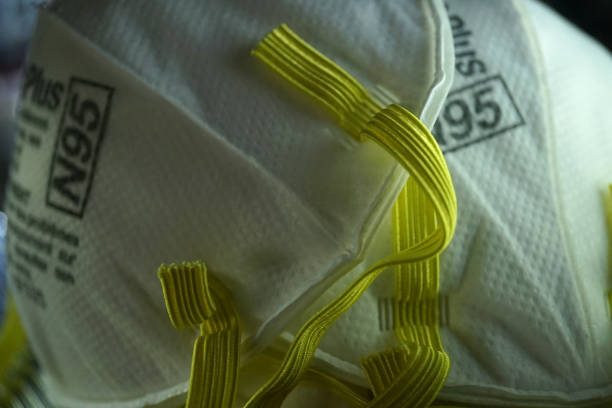
Use these tips to make your N95 masks fit better

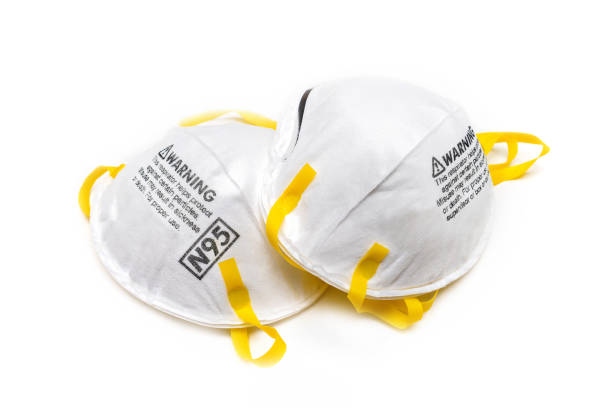
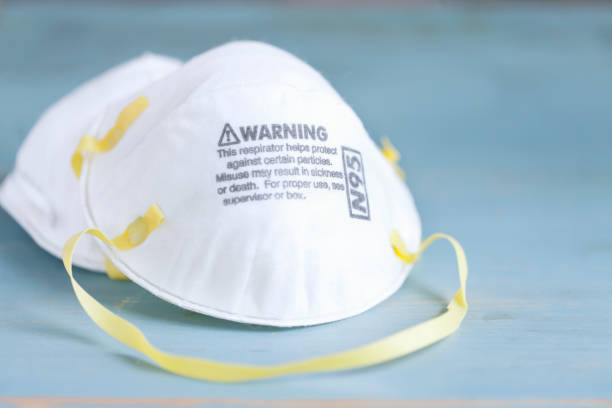
Given the number of professionals who advise them as providing excellent protection against omicron, N95 masks are a popular item right now. And while though many epidemiologists and public health professionals have long urged individuals to use respirator N95 masks, it wasn’t until recently that the Centers for Disease Control and Prevention (CDC) changed its recommendations on N95 masks: Last Monday, the organization amended the website to indicate that these respirators are the recommended option (and that they are not in short supply, as they were earlier in the pandemic).

N95 masks

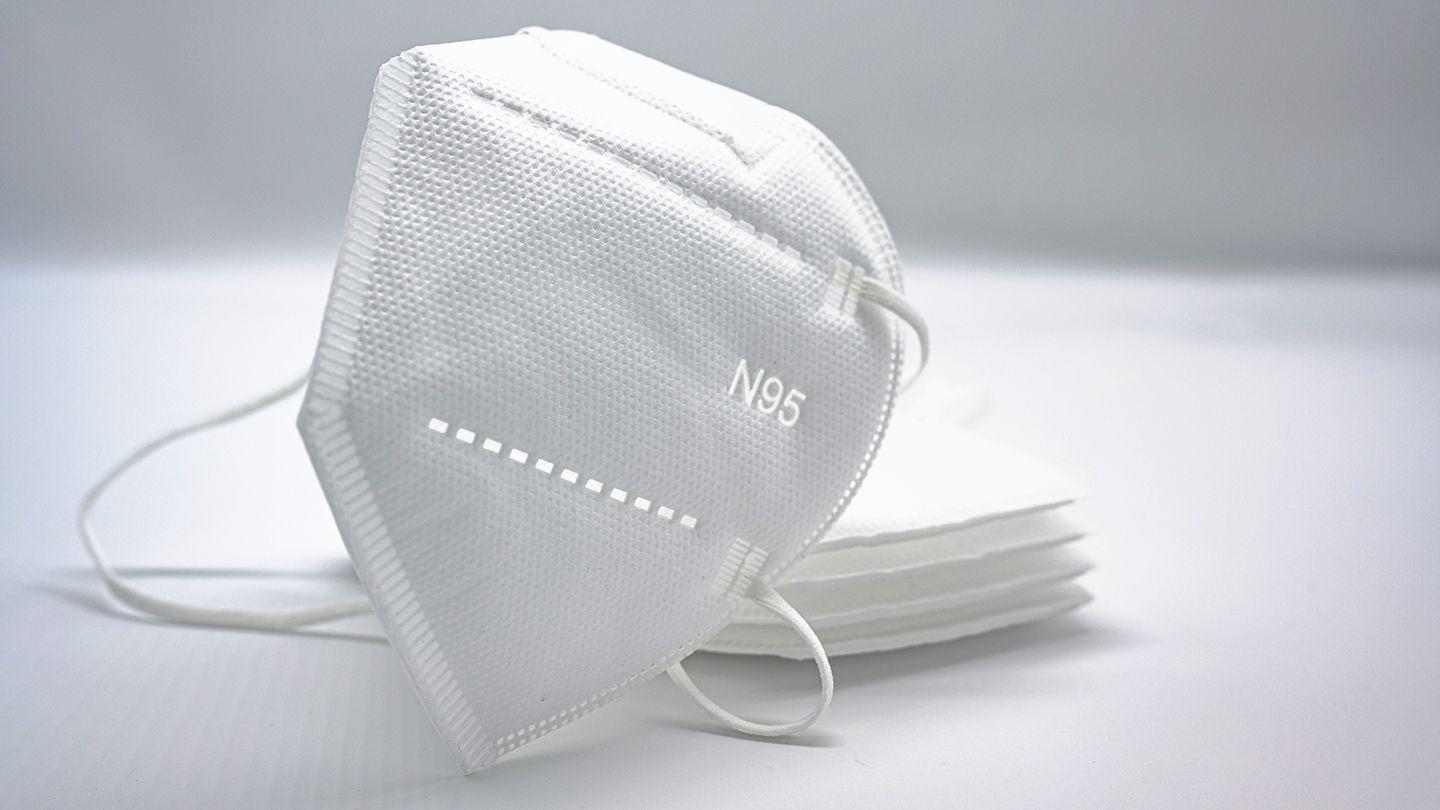
The CDC states that although all N95 masks and respirators provide some amount of protection, correctly fitting respirators offer the maximum level. A respirator may provide a greater degree of protection than a cloth or procedural mask if worn correctly the whole time it is in use and has superior filtration.

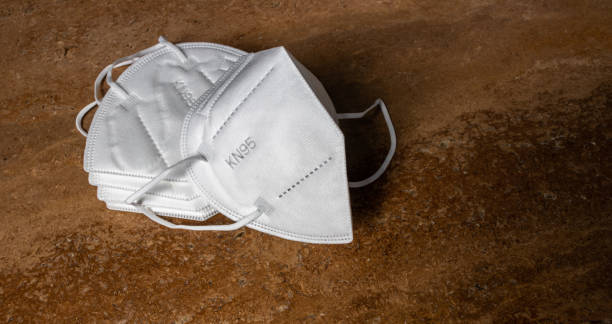
You’ll be happy to hear that the CDC also provided further information for the general public on selecting the best N95 and KN95 masks—as well as useful tips for enhancing the fit of their N95 masks—given the agency’s focus on a good fit. Here are a few of the best advice.

N95 and KN95 respirator mask recommendations

1. Verify that you have the genuine article

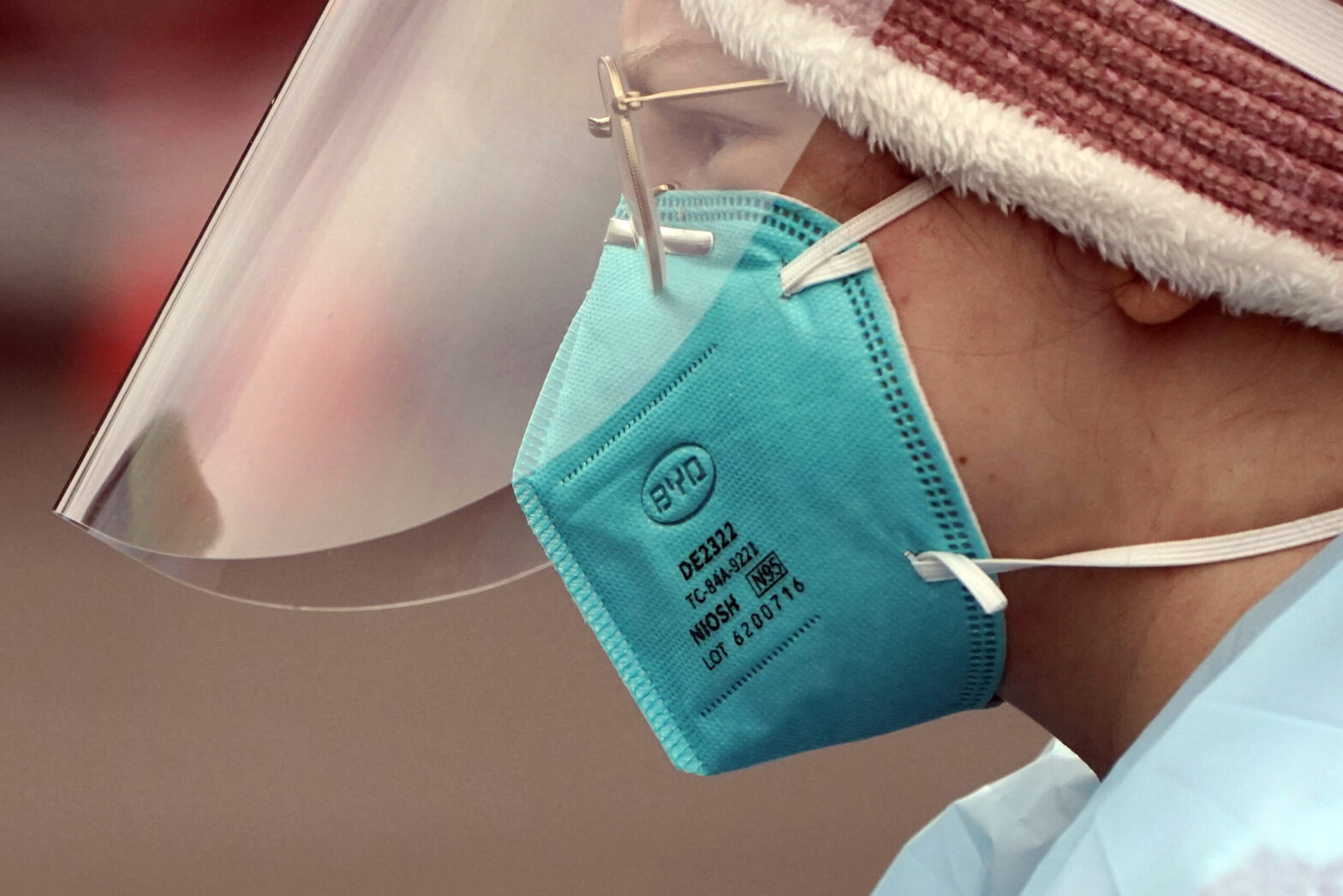
Genuine N95s and KN95s will fit and perform better, first and foremost. According to SELF, there have been problems with fake N95 masks being sold to customers and even hospitals. Consumers may get a plethora of useful information on this topic at the National Institute for Occupational Safety and Health (NIOSH), a branch of the Centers for Disease Control and Prevention (CDC) and the agency that certifies respirators. NIOSH maintains a list of authorized N95 producers, a list of imitation N95 masks, instructions on how to tell whether a mask is real (such as searching for the “NIOSH” stamp and an approval TC number), and telltale indicators of fakes (such as misspellings or a lack of markings). More information on selecting respirators and where to acquire them may be found here.

2. Select the proper mask

Since not all respirators fit the same, the CDC advises choosing one that does and that seals properly. NIOSH advises that you look for respirator N95 masks that are the same brand, model, and size, if available if you have ever used one that fits you well (consider there being no gaps). If not, you may need to try out a few different goods before deciding which one is the greatest fit.

Select the proper mask

3. Check to see if anything is blocking the path

NIOSH suggests being mindful of facial hair, hair, glasses, and jewelry that may possibly affect where your respirator is placed and how well it fits. (For example, eliminating bulky earrings or nose piercings, tying back your hair, shaving your beard, putting on your spectacles after the mask, etc.) According to the CDC, facial hair in particular might lead to air gaps while using respirators. Click here to read about Using these tips when dealing with N95 masks.

4. Comply with the guidelines

You don’t want to toss this particular set of instructions away right away! You may use the mask correctly by carefully following the manufacturer’s instructions that were included with it. For several NIOSH-approved devices, the CDC has provided the manufacturer’s instructions in case you did throw away the instructions.

5. Apply it correctly

Although you should adhere to the directions that come with your specific mask, this is the overall concept: Your chin and nose should first be covered by the respirator. The lower strap (if it has two straps) should be fastened around the neck, just below the ear, after pulling the top strap over your head and positioning it at the top rear of your head. Finally, mold the metal nose clip on your mask, if it has one, to the sides of your nose by pressing downward on it with your fingers. Check out the NIOSH visual instructions and video for help putting on and ensuring the fit of your respirator.

7. Verify the seal

This is crucial: According to the CDC, in order for a respirator mask to be effective, it must tightly seal to the user’s face. Genuine N95 masks are so called because, when worn correctly, they remove at least 95% of airborne particles.

Genuine N95 masks

NIOSH offers instructions for inspecting your respirator’s seal (as well as helpful graphics). First, rapidly inhale while placing both hands over the center of the respirator. When you do this, the respirator should adhere firmly to your face. After that, cover the respirator with both hands, including the sides, and exhale to check for air leaks in your hands. You may reposition the nosepiece so that it is flush against your face if the leak is around the region of the nose. Adjust the straps to narrow the gap if the leak is near the edges, then recheck the seal. If necessary, repeat.

Advice for using textile and surgical masks

N95 masks for respirators provide the best protection. However, any mask is better than none at all. If you presently only have access to surgical or cotton masks (ideally multilayered ones), there are still methods to make them more comfortable. By reducing covering gaps where air particles may seep in or out, the objective is still to produce a secure fit.

1. Inhale and exhale to verify the fit

Specifically focusing on any airflow behind your eyes or on the sides of your face, the CDC advises cupping your hands around the mask’s outer borders to check for gaps. By taking a few breaths, you may check the mask’s safety. According to the CDC, a mask is properly fitted if, when you inhale, warm air enters through the front and you can maybe see the mask being slightly pushed in and out with each breath.

2. Use a brace or mask fitter

Using a mask fitter or brace, which is placed over a disposable or cloth mask to reduce any gaps at the edges, is another option to increase fit.

3. Change the nasal piece

Try to use disposable N95 masks with nose wire, and a pliable metal strip around the top advises the CDC. To make the wire fit more snugly over your nose, you may shape it.

4. A two-mask

Additionally, there is always the tried-and-true double masking method, which involves wearing a disposable mask over a well-fitted fabric mask. (According to the CDC, don’t bother using two surgical N95 masks—it won’t make the fit better.) Also read about N95 Respirators, Surgical Masks, Face Masks, and Barrier Face Coveringsby visiting https://www.fda.gov/medical-devices/personal-protective-equipment-infection-control/n95-respirators-surgical-masks-face-masks-and-barrier-face-coverings

Use these tips when dealing with N95 masks

The following advice will be helpful if you plan to wear N95 masks. To learn more, read the paragraphs that follow.

wear N95 masks

Be on the lookout for fakes

Unfortunately, it is a fact that fake masks are easily accessible. Therefore, it’s crucial to be aware of the signs to watch out for when determining if N95 face masks could be fake.

For the purpose of assisting doctors in spotting fake respirators, the AMA collaborated with the National Institute for Occupational Safety and Health. The easiest method to be sure you obtain a genuine mask is to buy it straight from a NIOSH-approved manufacturer.

Attempt to unwind while wearing N95 masks

The major issue with breathing, according to Dr. Seija, is that it may cause anxiety or a feeling of suffocation. And for those who are unfamiliar with it, it is a very normal response. But as we go on the path where this becomes the new normal, how well a respirator fit is the most crucial factor to take into account. Do you find it comfortable? Dr. Seija stated as he posed wearing a mask that made his ears protrude. “This is too little and too tight for me.” I can use this if necessary, but it won’t fit me well and will have an impact on my ability to breathe.

Dr. Edje advised patients to “attempt to be calm and breathe as naturally as possible” while wearing N95 masks and stressed the need to “make sure it fits tightly yet does not create holes.”

Dr. Seija said, “I often advise patients that wearing N95 masks should be done in stages. If you’re not at ease, start by taking a stroll around your home or another place where you feel secure and at ease.

A better seal reduces the chance of glasses fog

Most people’s glasses would get hazy when they began wearing masks at the beginning of the epidemic, according to Dr. Seija. “The fog is irritating, but it also shows that your seal has to be improved. You can read about Use these tips to make your N95 masks fit better by visiting http://autismmanitoba.com/use-these-tips-to-make-your-n95-masks-fit-better/

N95 masks

What you can do, he said, is put on your mask first while taking your glasses off. Then you’ll be OK if you apply your seal firmly on your nose and cheeks.

Dr. Edje said that it is essential to “wear glasses over the mask” and that cleaning the glasses in soapy water may lessen water tension and reduce fogging in order to reduce the possibility of this occurring.

An inappropriate fit might cause irritation

There may sometimes be facial discomfort while using a mask. Other times, folks may have headaches if the mask is too tight.

Dr. Seija said that “there are a few reasons why this occurs, but the main one is that you’re not suited with the correct mask,” adding that “if I wore a little mask, I would pass out.”

“We really advise that you make sure that you have your seal, particularly with the N95 masks. Without a perfect seal, you run the danger of contracting COVID and maybe spreading it, he said. And you’ll feel a little constricted, but you have to decide how much you can stand.

When taking off KN95s, touch the ear loops

Dr. Edje advised just touching the ear loops or ties while taking off a worn mask. You should “not be infected with virus particles from the outside of the respirator” by doing this, it is said.

Also, remember that the respirator must be worn to protect your mouth and nose, and “do not keep the respirator tucked under your chin for any reason,” she said.

Cloth masks are preferable to none at all

Dr. Seija said, “We also have to acknowledge that wearing an N95 is not practical for everyone. “A surgical mask or cotton mask is more sustainable for some folks; that is all they have.”

And that’s when other strategies like double masking—wearing a fabric mask over a surgical mask—come into play, he said. Because wearing any kind of mask, whether alone or in combination, is preferable to wearing none.

Dr. Edje said, “A multilayered, densely woven fabric mask—such as cotton—is better than no mask,” and that N95 masks provide the greatest protection against infection. He also noted that since the Omicron variant’s introduction, recommendations have changed

N95 masks provide the greatest protection

Keep in mind, she said, that if someone is using a fabric mask, “cotton masks should be cleaned regularly and properly dried.”

Masks continue to be one of the greatest methods to protect yourself and others from infection, despite the fact that our strategy for combating the COVID-19 pandemic has altered significantly over the last two years. However, it is essential that you wear the correct one now since the extremely infectious Omicron version is the one that predominates in the US. Because of this, epidemiologists advise switching to an N95, KN95, or KF94 instead of wearing a bandana or a leopard-print cotton mask.

If you haven’t used one of these extremely protective masks before, you probably have a lot of concerns about how to choose a decent one, when to wear one, if you can reuse it, and most importantly, when to throw one away. We also asked such questions. We now also have solutions.

Reasons to upgrade to N95 masks

Omicron spreads faster than its forerunners, as we have said. The precise number is yet unknown, but according to Danish research, the variety may be up to 3.7 times more contagious than the Delta, which is already quite contagious.

Although evidence shows the virus has developed the potential to spread regardless of a person’s vaccination status, researchers aren’t yet clear why.

Omicron’s contagiousness is significant because it may indicate that infected individuals are dispersing more of the virus into the environment each time they breathe or speak, improving its chances of catching a new host. A quicker spread implies more instances and more opportunities for COVID to infect someone whose body can’t manage it, despite evidence that Omicron cases are milder than those brought on by Delta and other variations and are linked to lower rates of hospitalization and severe disease. You can also read about the Effectiveness of N95 Masks against SARS-CoV-2: Performance Efficiency, Concerns, and Future Directions by clicking here.

Naturally, until we improve, that is. N95 masks and other more advanced face protection are useful in this situation.

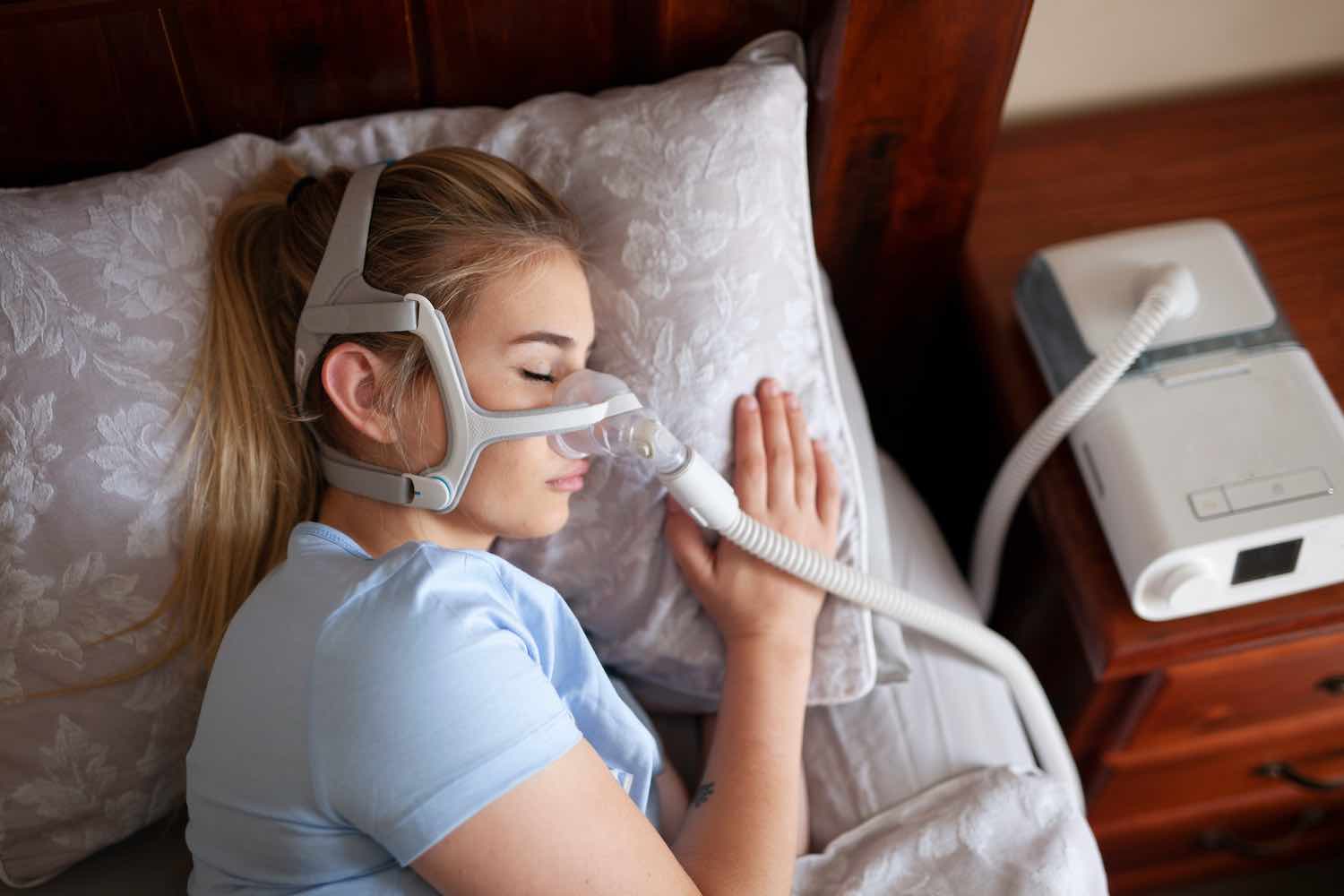
How to use your CPAP machine all night

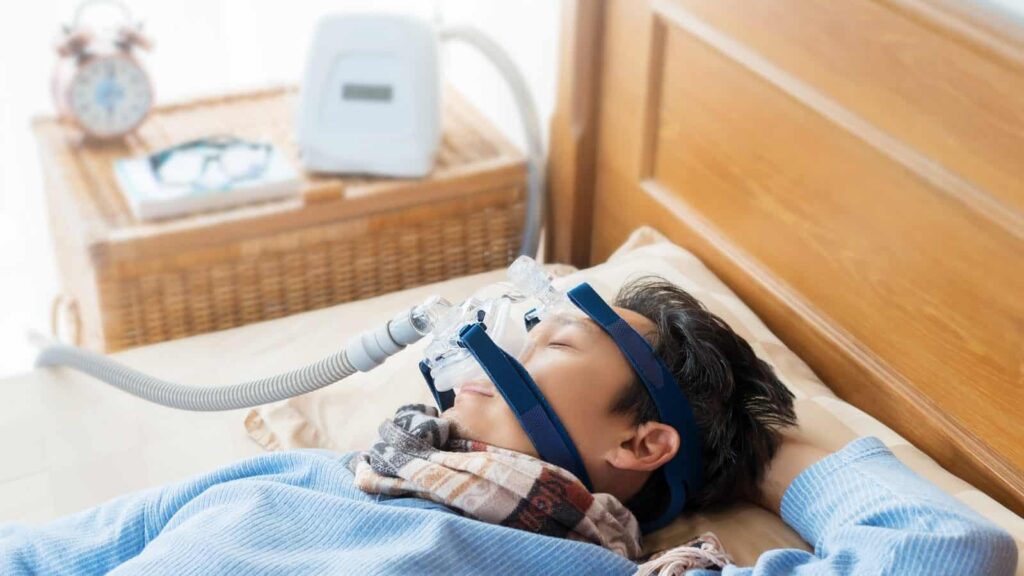
To become acclimated to CPAP, some effort may be required. If you take your CPAP machine off periodically throughout the night, you aren’t receiving the proper treatment. Your insurance won’t start paying for CPAP if you’ve just recently begun using it. However, how can you stop yourself from removing it when you’re sleeping? Look at the alternatives for help below to see how easy it is.

Why Does It Matter If I Wear My CPAP Device Throughout the Night?

Get the right one

You have a CPAP because it is necessary for the effective treatment of sleep apnea. Best cpap machines work by providing your body with the oxygen it needs for a restful night’s sleep on both a physical and emotional level. If you take off your mask while you’re sleeping, you may not be receiving enough oxygen, which might be dangerous for your health. In addition, you can feel worn out when you wake up. You need to wear your mask for around 6 hours to get a complete night’s rest.

How to use your CPAP machine all night

Compliance

If you want your insurance provider to cover the cost of your CPAP supplies, you must maintain compliance. Compliance refers to how long you use your equipment at night and if it has an impact on you. Compliance is assured through data monitoring while you use your device.

Medicare must adhere to some of the strictest coverage requirements. A three-month CPAP trial could be covered by Medicare. Medicare will continue to cover CPAP therapy provided your doctor records in your medical record that you meet particular standards for using the equipment and that the treatment is helping you.

You must start recording your CPAP compliance for Medicare 31 days after you initially start using your CPAP equipment but before the 90th day. As a result, it is seen from day 32 to day 89 after ingestion. To maintain compliance, you must use your device for a minimum of four hours per night and on 70% of the nights.

The next step is an evaluation by your doctor to establish whether or not your CPAP has lessened your symptoms. If you are found to be noncompliant, Medicare may not pay for your supplies. However, you can try again by going through the new patient compliance processes. For various private insurance companies, there are various compliance standards.

Inspect the CPAP pressure.

Your CPAP machine may sometimes slide while you sleep if the pressure settings are off. For instance, the pressure might be set too high or too low.

Leaks from high-pressure CPAP machines may dry up your mouth, nose, and eyes while also irritating them. It could also make it challenging to go to sleep or stay asleep. If it’s too low, on the other hand, you may not be able to get enough oxygen when you sleep.

The Solutions: You may lessen CPAP machine leaks by switching to a full-face mask, which helps disperse oxygen over a broader area.

Speak with a specialist or your doctor, who can give you advice on whether to change your pressure settings based on data from your CPAP machine on compliance. Never make your own changes to the settings.

Make sure your CPAP machine fits properly.

If your CPAP machine is adjusted incorrectly, it might be overly big, which could make it easy to take off, or it could be painfully tight, pressing painfully on your face.

The Remedy:

  • Adjust the fit of your CPAP equipment. Although it should be snug, your CPAP machine shouldn’t be too tight such that it pinches or burns your skin.
  • If you need help deciding on the best CPAP machine for your unique needs, get in contact with us.
  • Consider switching to a different CPAP machine.
How to use your CPAP machine all night

Skin irritation from CPAP must stop.

Do you wake up with red pressure marks, blisters, or acne on your face? If your CPAP machine is causing you discomfort, it might be because it is overly tight, you are allergic to silicone, you have oily skin, or the mask is dirty. If your mask is dirty, it might expose your skin to allergies, microorganisms, and dust. Furthermore, if it’s old, it can contain material fractures that are perfect for germ growth.

  • Utilize a CPAP machine liner or a fabric CPAP machine to provide a gentle barrier between your skin and the silicone.
  • Use an aloe vera gel mask to lessen skin sensitivity.
  • Washing your face before night can reduce oil production.
  • To keep your CPAP machine clean, use the Lumin CPAP cleaner often.
  • Make sure your mask is the right size.
  • Change your mask often in line with your replenishment strategy.

Prevent Nasal Congestion, Dryness, and Irritation

Do you wake up with dry or itchy noses? Do you often suffer from allergies or colds that make it difficult to breathe through your nose? Being stuffy might make it harder to fall asleep, especially if you don’t mouth breathe.

The Solutions: 

  • When using a CPAP, use a humidifier to provide heat and moisture to the air passing through the machine. This will prevent dryness and relieve congestion.
  • Use a complete face mask to disperse the air across a wider area.
  • Use a CPAP cuddling hose to cover your tube to warm the air passing through it.

Never having Claustrophobia

You may decide to take your CPAP machine off while you sleep due to a feeling of claustrophobia. You can experience strapping throughout the night or a tight mask. You could inadvertently grant yourself permission to relax throughout the night.

The Solutions: 

  • Use your CPAP machine before night and during naps to become used to it.
  • Wear your mask when indulging in stress-relieving activities like reading.
  • Test out new CPAP machine models with easily removed magnetic clips.
  • Switch to a nasal mask or another mask that has less skin contact.

Final thoughts

To become acclimated to CPAP, some effort may be required. If you take your CPAP machine off periodically throughout the night, you aren’t receiving the proper treatment. Your insurance won’t start paying for CPAP if you’ve just recently begun using it.

Other articles:
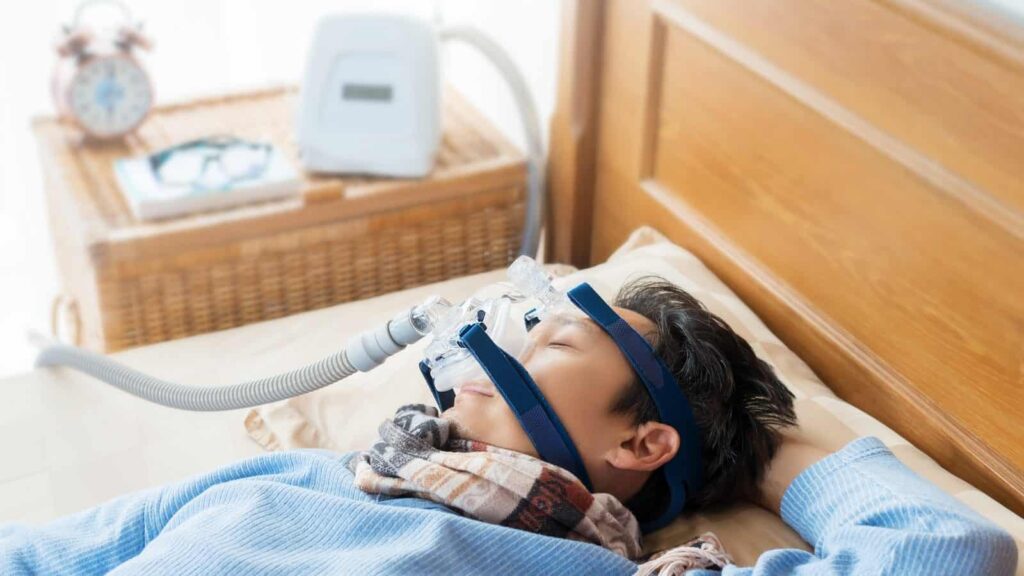
Is your CPAP machine giving you issues?
Choosing from these type of CPAP masks
Choosing CPAP masks based on your sleeping position

Is your CPAP machine giving you issues?

Your airways are kept at a consistent air pressure by a medicine known as continuous positive airway pressure (CPAP). It prevents your upper airway from tightening as you sleep, making breathing easier. CPAP is a common treatment for acute heart failure and obstructive sleep apnea.

The good cpap machines are reliable and perform effectively. However, some users report problems with the device that might make treatment more challenging. This article looks at 10 strategies that might help you fix these problems and improve your CPAP machine experience.

Breathing Despite Pressure

One of the hardest adjustments to make when you first start is learning to breathe out against the pressure. Try lowering the pressure while turning on the CPAP machine. The pressure could rise gradually as you start to drift asleep. This is an illustration of a ramp function.

Some devices also include bi-level (BiPAP) or C-Flex options. Since they alternate between applying pressure during inhalation and exhalation, it is more akin to normal breathing.

Is your CPAP machine giving you issues?

Air Breathing

Some CPAP machine users find swallowing air uncomfortable. Afterward, you can feel bloated or burp. This might mean that the pressure setting on your device is too high.

This may require fixing:

Reduce the pressure, buy a ramp pressure sensor, and do a new CPAP titration study to find a more suitable pressure setting.

Overcoming Claustrophobia

A CPAP machine is covering your face. Because of the tight fit, some people feel smothered or suffocated. Your heart may begin to race at that thought. You may wish to remove the mask. Claustrophobia is indicated by each symptom.

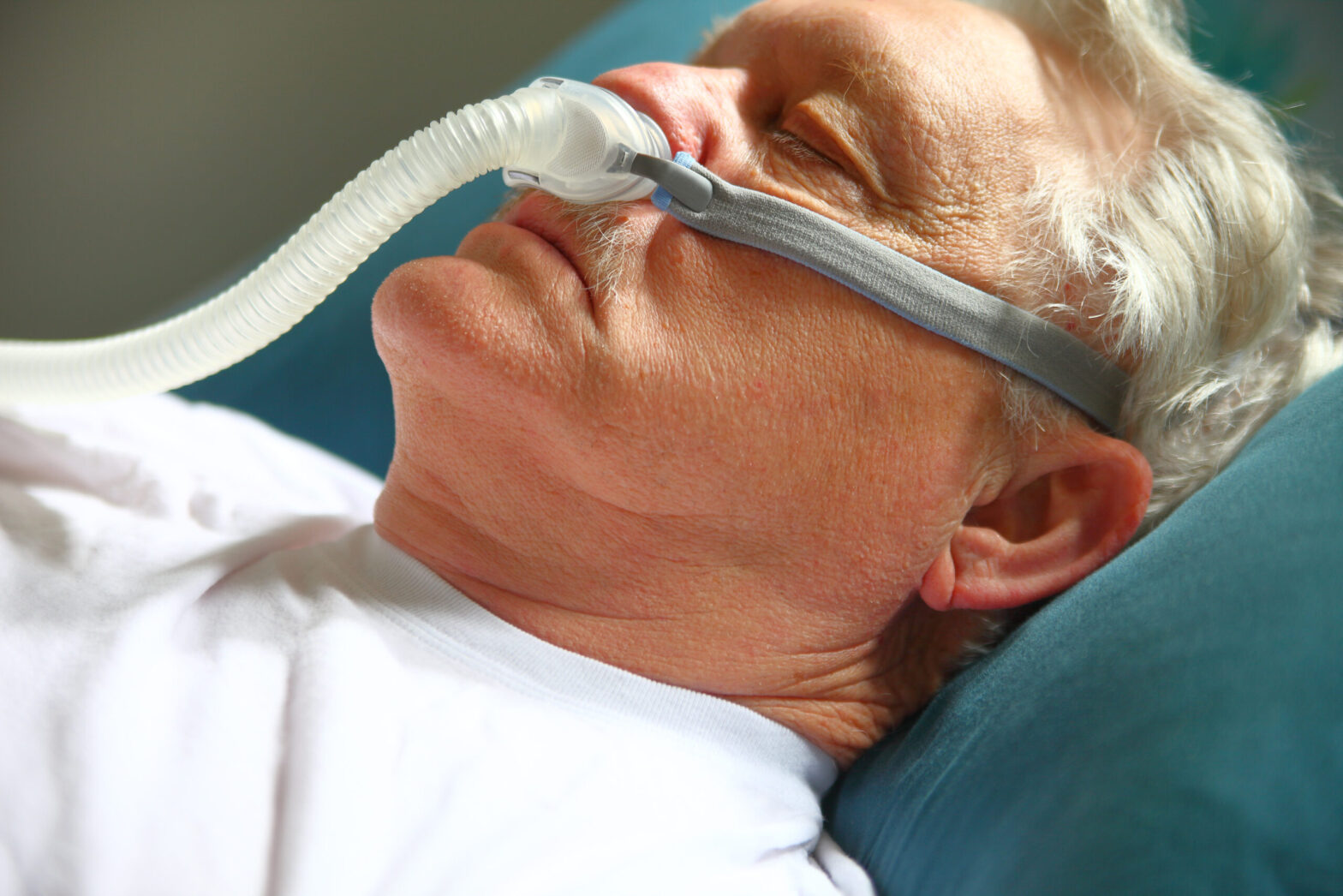
To avoid this, some people buy masks that don’t cover their nose. Nasal pillows are a good example. Others use relaxation or distraction techniques like watching TV or listening to music. These methods help them gradually get used to the sensation of wearing a mask.

Taking Care of Condensation

When there is more moisture in the air, breathing could be more pleasurable. But sometimes, water stains develop within the CPAP tube. Your ventilation can get lessen as a result of the increased water. People who use heated humidifiers while sleeping in a cooler environment sometimes gripe about having too much moisture.

To get around this, lower your humidifier’s temperature. Put a blanket over the CPAP tube to try to keep it a bit warmer. Alternately, you might choose a more modern CPAP device with heated, climate-adjustable tubing.

Drying Out Your Mouth

The usage of a CPAP machine shouldn’t result in dry mouth. If it does, the mask can be the reason why your mouth is opening. The airflow will stop and your mouth will get very dry in this circumstance.

To prevent this, try these:

  • Utilizing a heated humidifier
  • Wearing a chin strap to stop mouth opening
  • Wearing a mask that covers your mouth and nose; talking with your doctor about adjusting the pressure setting on the machine.

Making Marks on Your Face

It is rather usual to have a few minor pressure marks on your face while using a CPAP machine. If there are several marks, your mask could not fit well. Perhaps you might choose a different mask or try one in a different size.

Some people find it helpful to switch between several mask types from one night to the next in order to change the pressure locations. If your skin becomes sensitive, think about applying petroleum jelly or a face moisturizer to prevent abrasion. A barrier is created between your skin and the mask by the CPAP liners.

Is your CPAP machine giving you issues?

Nasal congestion prevention

People who have allergies, a deviated septum, or a history of nasal congestion may find it more difficult to breathe through their nose when using a CPAP mask.

Warm humidifiers or saline nasal sprays might sometimes help to open the nasal airways. Oral antihistamines or a prescription nasal spray may assist with persistent or seasonal allergies. 

For those who just are unable to breathe via their nose, there are alternative solutions that may be useful. You could benefit from a CPAP mask with a mouth and nose cover. Another option is a more contemporary oral CPAP mask that just applies pressure via the mouth. If these don’t work, you may want to consider trying new remedies.

Upon waking, you have dry, red eyes.

If your eyes are dry and bloodshot, it’s possible that air from your mask is getting into them as you sleep. To stop this, try lightly tightening the mask. You may need to look for a mask that suits you better if this doesn’t work. Saline eye drops may also help to lessen some of the itchiness and redness.

Chronic Illnesses

Use of a CPAP machine often reduces excessive daytime sleepiness. Other people, however, can have recurrence of symptoms over time.

If this occurs, make sure your equipment is providing the correct pressure by checking it. It may also be necessary to do new titration studies in order to find a better pressure. When people age or endure weight changes, the initial pressure setting could no longer be suitable. It could need tweaking.

Summary

CPAP equipment is a tried-and-true treatment for those with respiratory problems. But it doesn’t mean they don’t have problems. The pressure setting might be the cause of a number of problems. Others include a mask that doesn’t exactly fit right or a problem with the tubing. The treatment might become more challenging due to other medical conditions. If you are having problems with your CPAP machine, see your healthcare provider. You could discover an easy technique to help you sleep better.

Your airways are kept at a consistent air pressure by a medicine known as continuous positive airway pressure (CPAP). It prevents your upper airway from tightening as you sleep, making breathing easier. CPAP is a common treatment for acute heart failure and obstructive sleep apnea.

CPAP machines are dependable and effective. However, some users report problems with the device that might make treatment more challenging. Please feel free to read it over again.

Other articles:
Do’s and Don’ts of sleep apnea
Effects of a Deep Sleep on your Sleep Hygiene
Dangers of a Poor Sleep Hygiene

Do’s and Don’ts of sleep apnea

A person with obstructed sleep apnea has one or more episodes of shallow breathing or a temporary halt of breathing while they are asleep. When breathing starts up again, the person could gasp for air. Your sleep may be impacted by this persistent issue, but there are luckily strategies to control this pattern. So that you may properly manage your condition, abide by these dos and don’ts.

1. Ensure your sleeping space is comfortable.

Ensure that you receive enough sleep every night or sleep using cpap machine. Keep a regular sleeping schedule and adhere to it. According to some specialists, those who lack sleep may be more prone than others to snoring and sleep apnea. Get extra sleep if you find that these episodes seem to happen when you are too exhausted.

Related: Effects of a Deep Sleep on your Sleep Hygiene

Make your bedroom as cozy and sleep-friendly as you can. Make sure the room where you sleep isn’t too warm or humid. At night, you may wish to lower the heat or crack a window for some fresh air. You may be able to breathe easier and keep your airways open if you use an air purifier.

2. Avoid sedatives and alcohol Before going to bed

Your sleep apnea symptoms might become worse if you take sleeping tablets or consume anything that has a sedative effect. Limit your use of alcoholic drinks throughout the day and avoid them just before bed. A few hours before going to bed, you may also want to avoid consuming chamomile tea since some people find it to be sleepy. Use a non-drowsy formulation if you’re taking antihistamines to treat an allergy or cold.

3. Do Lose Those Additional Pounds

A smart weight-loss program might aid in controlling or preventing your sleep apnea symptoms if you are overweight. Weight reduction is essential to opening up your airways since extra throat tissue in overweight people may obstruct nocturnal breathing. Request a recommendation from your doctor for a realistic weight-loss plan.

4. Avoid Developing a Nicotine Addiction

You undoubtedly already know that smoking is bad for your health. The use of nicotine may make your sleep apnea symptoms worse if you are susceptible to it. Smoking irritates the throat and airways. Additionally, your sleep could be disturbed by that “cigarette cough.” When you stop smoking, keep track of whether your sleep apnea symptoms appear to get better.

Do’s and Don’ts of sleep apnea

5. Do Think About Trying Yoga

While little exercise may improve sleep, yoga may actually strengthen the muscles that support the airways. You may be able to mitigate the consequences of sleep apnea if you include both activities into a healthy workout regimen. Before starting any kind of workout regimen, don’t forget to seek your doctor’s okay.

6. Don’t Sleep Flat on Your Back

To avoid obstructing your airways when resting flat while you sleep, it is preferable to utilize an additional pillow. Consider utilizing a specialized anti-snoring cushion if you also snore. Another piece of advice is to avoid sleeping on your back since for certain people, it might restrict the airways. Instead, try sleeping on your side to see if your problems go better.

7. Always heed medical advice.

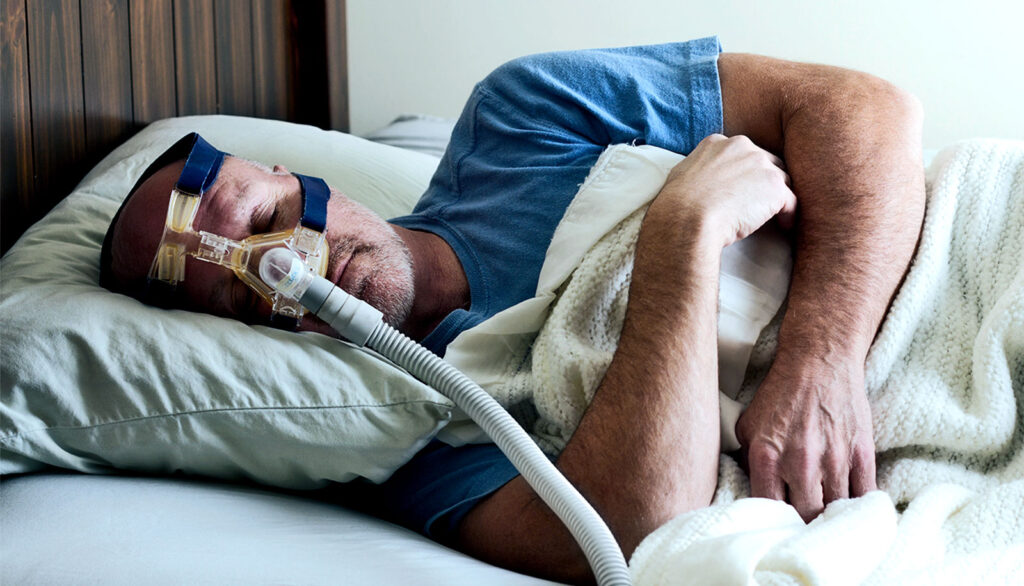
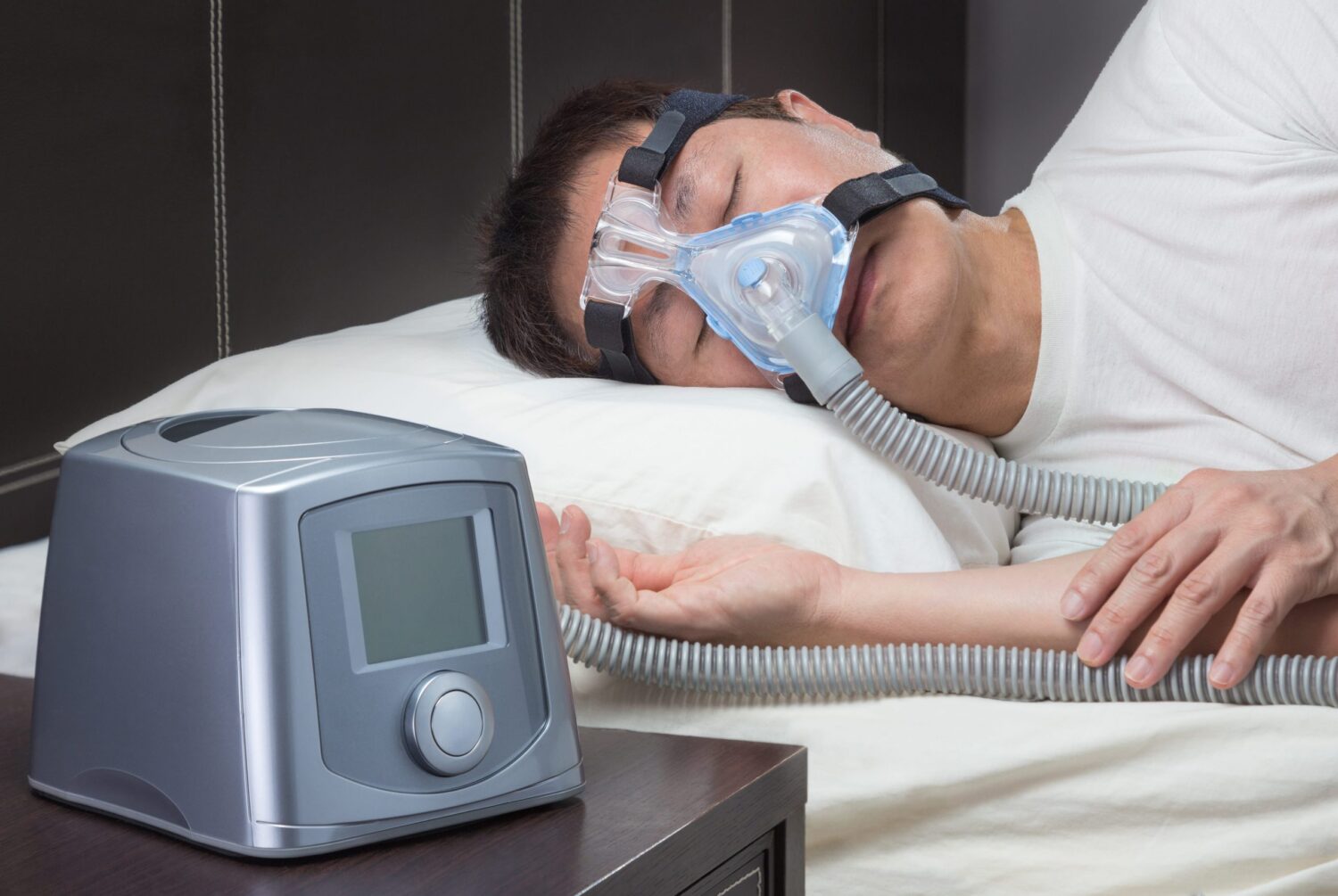
A continuous positive airflow pressure machine, or CPAP machine, may be recommended by your doctor if you have severe sleep apnea symptoms. As you sleep, the mask is put over your mouth and nose to assist keep your airways open and deliver constant airflow. Your doctor may provide advice on how to adjust to using the machine every night.

Your doctor could also advise using saline nasal sprays or a saline wash if you have nasal allergies. Your nasal passages may become clearer as a result, improving your ability to breathe. If the air in your house is very dry, using a humidifier could also improve your ability to breathe.

People often have sleep apnea, which is a very common condition. The issue typically goes undiscovered since it happens when you’re sleeping.

During a sleep apnea episode, the shortage of oxygen jolts you awake, usually so quickly that you don’t remember it. You are spending more time in light sleep and less time in the deep, rejuvenating sleep that you need to be active, alert, and productive the following day because your regular sleep cycle has been disrupted. A range of health issues, including mortality in severe situations, may be brought on by sleep apnea. It’s essential that you pay attention to it as a consequence. Make a dental appointment right immediately if you or your bed mate suspect that you or your spouse has sleep apnea.

What changes in way of life may help with the treatment of sleep apnea?

Simple lifestyle modifications may be sufficient to cure mild cases of sleep apnea. If that’s the best place to start, your doctor will let you know. The following adjustments may enhance your sleep and lessen bouts of sleep apnea, even if you are receiving medical therapy.

It’s crucial to reduce weight because:

Losing weight might have a big influence if you’re overweight. Although it is seldom a complete cure, it may help you decrease the amount of breathing episodes you suffer, control your blood pressure, and sleep during the day. Even a tiny amount of weight reduction may open up your throat and reduce the symptoms of sleep apnea.

A nice choice for sleeping is on your side:

The worst posture for sleep apnea is lying on your back because it forces your tongue, mouth, and other soft tissues back toward your throat, obstructing your airway. Since breathing is made more difficult by lying face down or turning your head to the side, sleeping on your stomach isn’t much better. On the other hand, lying on your side keeps your airway open. Using side pillows or body pillows may be helpful if you have trouble falling asleep on your side or wake up on your back.

Do’s and Don’ts of sleep apnea

It is best to abstain from smoking:

Smoking causes more swelling and fluid retention in the neck and upper airway, which exacerbates sleep apnea.

Avoiding certain things includes:

Avoid alcoholic beverages, sedatives, and other medications that reduce anxiety, particularly before night. This has a very straightforward explanation. These chemicals cause the neck muscles to relax, which makes breathing difficult. This includes opiates (such as morphine, codeine, Vicodin, and Percocet) as well as benzodiazepines (like Xanax, Valium, Klonopin, and Ativan), antihistamines (such Benadryl, Claritin), and sleeping drugs.

You must understand that occasionally doing all of these steps won’t be sufficient to solve the sleep apnea-related issues. When that happens, don’t wait to get in touch with a dentist.

Understand the Significant Differences Between Sleep Apnea And Snoring

Not everyone who snores has sleep apnea, and not everyone who snores has the condition. How can you know whether you have sleep apnea or just regular snoring?

The most obvious clue is how you feel throughout the day. Regular snoring doesn’t affect your sleep quality as much as sleep apnea does, so you’re less likely to feel exhausted and tired throughout the day. The way you snore reveals a lot about who you are. If you find yourself gasping, coughing, or producing other strange noises while you sleep, you may have sleep apnea.

Snoring may interfere with your own sleep and that of your bed mate, even if you don’t have sleep apnea. However, there are a number of tips and remedies that might stop you from snoring.

Effects of a Deep Sleep on your Sleep Hygiene

Sleep differs both in quality and quantity. The quantity of sleep is the number of hours one can sleep or the duration of the rest. Regarding sleep quality, we can begin to talk about how deep sleep gets and how refreshing it is after you wake up. As for the quantity of sleep, it is not always directly proportional to sleep quality. In other words, one may have slept for several hours and still not have the same quality as someone who slept for just an hour. 

On the other hand, the value of your sleep depends on these two characteristics of sleep. There may be many factors that are responsible for that scenario or condition. But this article will focus on the effects of good sleep and how one can achieve it for healthy sleep hygiene. However, let us begin with what deep sleep is, especially what research has discovered about getting a good quality of sleep and different stages of sleep. 

What is a Deep sleep?

Deep sleep refers to the stage of sleep that is associated with the slowest brain wave while one is sleeping. When synchronizing the sleep activity on an EEG graph, there are the slow-wave and the high tides. This slow wave is responsible for relatively high amplitude and a low frequency, usually less than 1Hz. 

Similarly, a downstate of the wave is characteristic of an initial section, followed by an inhibition period where the neurons inside the neocortex are now silent and inactive. At this same period, the neocortical neurons can also rest for the next surge of the wave. Afterward, a new section of the wave begins with an upstate, with the neurons excited and happening quickly. 

We refer to this phase as depolarizing, while the former state is called a hyperpolarizing phase. When measuring the slow-wave sleep compared to the Rapid Eye Movement (REM) sleep cycle, some of the characteristics of the former are absent with a slow eye movement. Other features of the former include the moderate muscle tone and a lack of genital activity during the period. 

Characteristics of a Deep Sleep

When experiencing deep sleep in terms of sleep hygiene, there are a couple of ways to identify it. However, these features depend on the device or measuring tool used, such as

  • The Electroencephalograph (EEG) as s tool can demonstrate the delta waves of seep. By the way, delta waves are low frequency and high amplitude waves
  • A high arousal threshold of sleep
  • Consolidation of memories
  • Presumed restoration of the body and the brain
Effects of a Deep Sleep on your Sleep Hygiene

Importance of Deep Sleep to Your Sleep Hygiene

Deep sleep is an essential ingredient for consolidating good and new memories. And this process is called Sleep-dependent Memory Processing. As for the individuals who have primary insomnia, it may be accompanied by a memory consolidation. This condition means that the person may not perform at the optimum level like regular patients in terms of the memory completion tasks after waking up from sleep. 

Moreover, the process improves declarative memory during a period of slow-wave sleep. Also, it includes both the semantic and the episodic memory, which all contribute to your overall sleep hygiene. A central model was proposed in the past based on long-term memory storage and use. A neocortical and hippocampal network interaction promotes this activity. 

In addition, more studies showed that when the research subjects are taught a process of declarative memory tasks. It returns a high density of human sleep compared to those with a non-learning control memory task. At the same time, this condition is characteristic of unconscious wave oscillations inside the intracellular recordings of the thalamic and cortical neurons of the brain. 

Functions of a Deep Sleep

Air Liquide Healthcare research studies have shown that sleep deprivation is a significant issue that several people face in real life. Meanwhile, the multiple uses of deep sleep are to afford the brain a long time to restore from the daily activities it may have gone through. Also, since the brain has been active throughout the day, it is only reasonable to allow its rest through a short sleep wave. 

While the brain consumes much glucose through metabolism during the active hours of the day, a different activity occurs when resting. The other function of the brain when we have a deep sleep is that the slow-wave cause the secretion of certain hormones to rise at this stage. On the other hand, this stage also increases parasympathetic neural activity levels. At the same time, the sympathetic neural activity reduces as a result. 

Effects of a Deep Sleep on your Sleep Hygiene

The Sleep Disorders that Occur during Deep Sleep

Certain sleep disorders may prevent you from maintaining sleep hygiene during deep sleep. Mainly, these disorders, also called parasomnias, occur most when a slow wave occurs during deep sleep. Examples include Somnambulism, also known as sleepwalking, and sleep terrors, also known as night terrors. 

The other ones may include Enuresis, bedwetting, sexsomnia, or even sleep eating. All these disorders are associated with having a short or slow-wave deep sleep. Another deep sleep anomaly is called narcolepsy, which is an experience of fragmented deep sleep. 

Factors responsible for the rise in the slow-wave of Deep Sleep

When one continues to have a slow wave in a deep sleep, some particular factors are often responsible. These experiences cause prolonged exercise and heating up of the body. An example is an immersion in a hot tub or a sauna. The most specific cause of this situation is a rise in the brain temperature exceeding a set threshold. 

Typically, the circadian rhythm and the homeostatic processes of the body are supposed to regulate the body temperature, including the brain. But when one does not feed so well or runs low on a carbohydrate diet, a healthy person may cause a slow wave to rise in the percentage during sleep. Another factor could be the intake of antidepressant drugs or SSRIs. 

Conclusion

When pursuing healthy sleep hygiene, the slow-wave stage of the three stages of sleep is the most important one. Moreover, it forms an essential part of the brain’s cognitive functioning. In addition, it promoted memory consolidation and the restoration of the brain after undergoing some activities. Easy ways to overcome this trouble are through a healthy diet and body and mind exercise. Eventually, you can still enjoy excellent sleep hygiene or lifestyle.