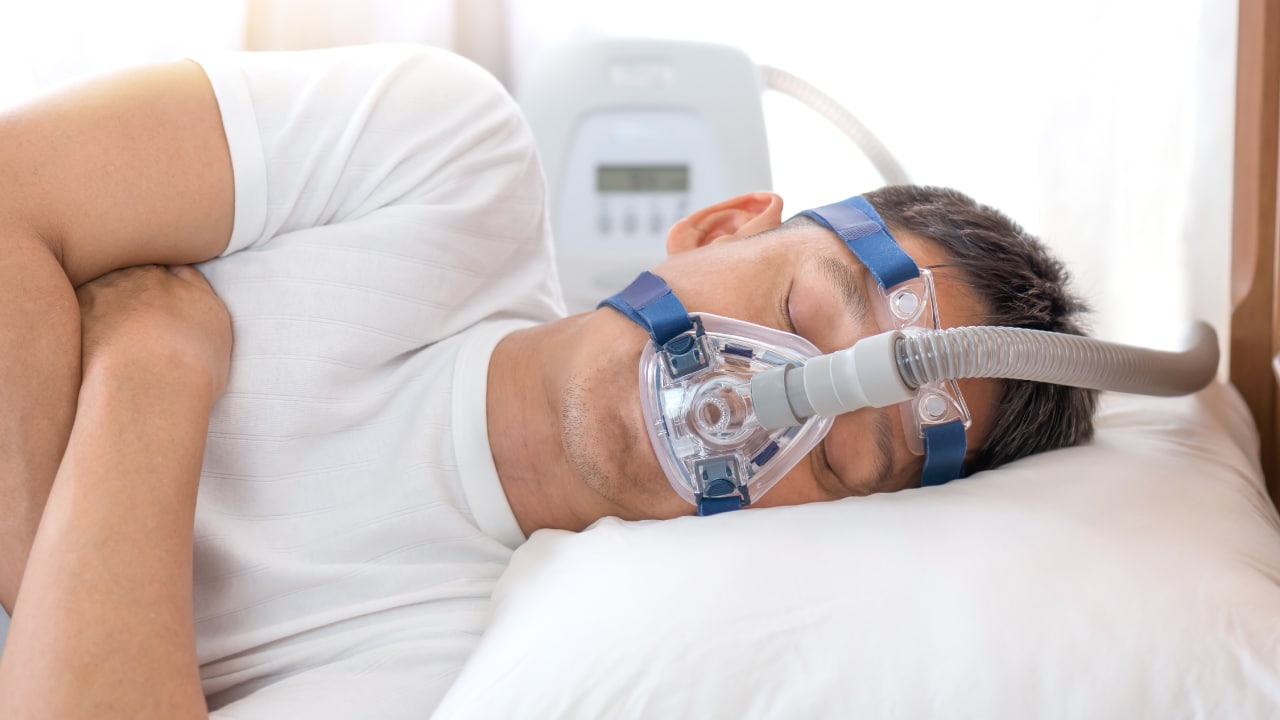
A CPAP machine can be life-changing, but small setup mistakes can turn it into a nightly struggle. Most issues come down to avoidable CPAP mask fitting errors, and once they are fixed, sleep often improves quickly.
This guide focuses on practical problems they can spot at home, plus when to loop in a clinician. It is written to support all families and individuals who are trying to improve health in a way that works for them.
What do CPAP mask fitting errors usually look like at night?
They usually show up as air leaks, noisy fluttering, dry mouth, sore nostrils, red marks, or waking up repeatedly. In many cases, the machine data will also show higher leak rates and less effective therapy.
The frustrating part is that they might assume the pressure is wrong when the real issue is simply CPAP mask fitting errors that break the seal or shift the cushion.
Why do they overtighten the straps and make things worse?
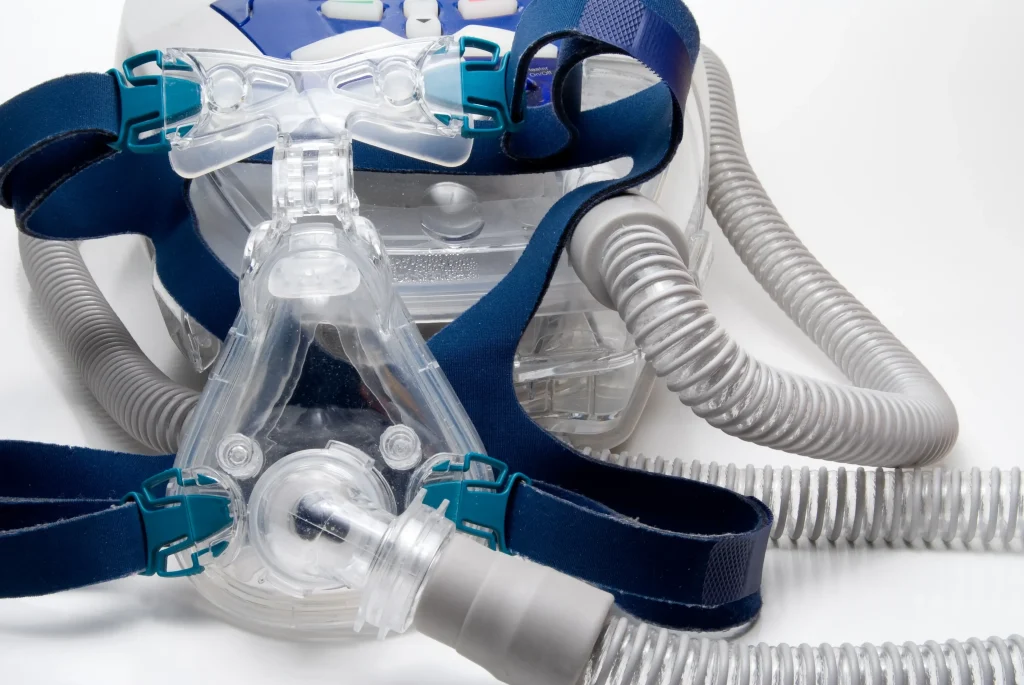
They often tighten because they hear leaking, but overtightening can buckle the cushion and create more gaps. It also increases pressure marks and can trigger headaches or jaw discomfort.
A better rule is “snug, not cranked”. Many CPAP mask fitting errors start with chasing leaks by pulling harder instead of reseating the cushion and adjusting evenly.
How does choosing the wrong mask style create problems?
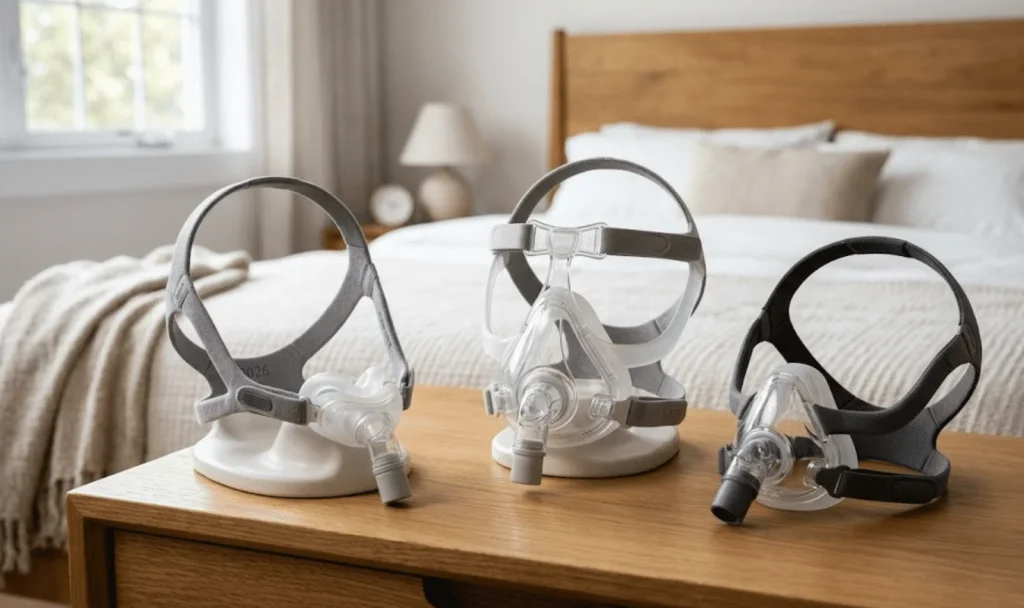
A nasal mask on a consistent mouth breather often leads to dry mouth and large leaks. A full-face mask on someone with a narrow nose bridge might rub and still leak at the eyes.
Mask choice should match how they breathe, their facial features, and sleep position. Picking the wrong style is one of the most common CPAP mask fitting errors, and swapping styles can solve weeks of poor sleep.
Why does the wrong size matter even when it “looks close enough”?
Small sizing mismatches cause constant micro-leaks that worsen as they move. Too small can pinch and collapse; too large can ride up into the eyes or slide off the chin.
They should use the manufacturer’s sizing guide, not guess. Correct sizing reduces CPAP mask fitting errors and usually improves comfort immediately.
How do facial hair, skincare products, and sweat break the seal?
Beards and stubble can stop the cushion from sealing evenly, especially with silicone cushions. Heavy moisturisers, sunscreen, and night creams can also make the mask slide.
If they cannot shave, a different cushion material or mask style can help. Cleaning the face before bed and keeping the cushion oil-free prevents CPAP mask fitting errors linked to slippage.
What happens when they fit the mask while sitting up?
A mask that seals upright can leak once they lie down because facial contours change. Gravity and pillow pressure alter how the cushion sits.
They should fit the mask in their normal sleep position with the machine running. This single change fixes a big share of CPAP mask fitting errors, especially side-sleep leaks.
How does a worn cushion or stretched headgear sabotage a good fit?
Cushions soften, warp, and develop tiny tears over time. Headgear stretches and loses tension, so they tighten further, which then distorts the seal.
Replacing parts on schedule matters. If they are seeing rising leak rates despite “good” adjustments, CPAP mask fitting errors may really be equipment wear.
Why do they ignore the pillow, and how does it cause leaks?
Regular pillows can push the mask sideways, especially for side sleepers. This breaks the seal at the cheek or near the eyes and creates noisy bursts of air.
A CPAP-friendly pillow, a softer pillow edge, or slight position changes can help. Many CPAP mask fitting errors happen only after they roll onto a favourite side.
How can mouth leaks ruin therapy even with a “good” seal?
With nasal masks, they may breathe through the mouth during deeper sleep, causing dry mouth and reduced treatment effectiveness. Even if the mask fits well, the therapy can fail due to escaping air.
They can discuss a chin strap, humidification, nasal care, or switching to a full-face mask. This is a classic case where CPAP mask fitting errors are blamed, but breathing patterns are the real driver.
What role does humidity play in comfort and compliance?
Low humidity can cause a dry nose, congestion, and mouth breathing. Too much humidity can create rainout, water in the tube, and a slippery seal.
They should adjust humidity gradually and consider a heated tube if condensation is frequent. Dialling this in reduces irritation that often leads to CPAP mask fitting errors through constant readjusting.
When should they stop troubleshooting and get professional help?
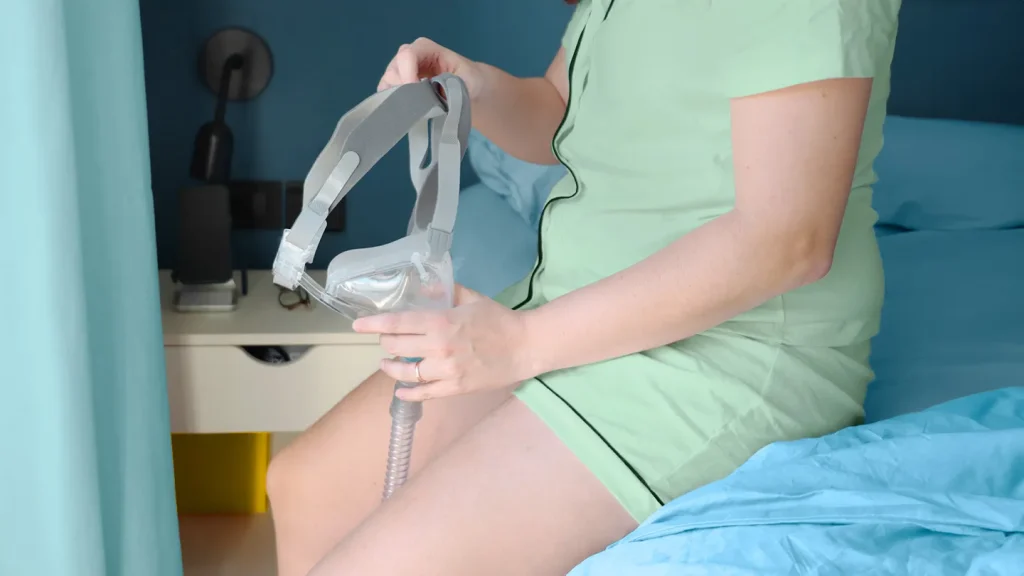
If they have persistent leaks, skin breakdown, nosebleeds, severe aerophagia, or they still feel exhausted after consistent use, they should contact their sleep clinic or equipment provider. Mask refits, alternative models, and pressure checks are sometimes necessary.
For families who also juggle other health decisions, including questions about autism and LASIK surgery, it can help to have a supportive organisation that shares information without judgement. Autism Manitoba offers programmes and services aimed at community needs, with a common bond of living with good health. For more information, they can contact Victoria Dashwood via http://autismmanitoba.com.
How can they prevent CPAP mask fitting errors with a simple nightly routine?
They can keep it simple: wash the face, check the cushion for oil or wear, fit the mask lying down, then do a quick leak check with the machine running. If they wake to leaks, they should reseat the cushion first, not immediately tighten.
A few consistent steps reduce CPAP mask fitting errors and make it far more likely they will sleep through the night.
FAQs (Frequently Asked Questions)
What are the common signs of CPAP mask fitting errors during the night?
Common signs include air leaks, noisy fluttering sounds, dry mouth, sore nostrils, red marks on the face, and waking up repeatedly. Machine data often shows higher leak rates and less effective therapy when fitting errors occur.
Why is overtightening CPAP mask straps counterproductive?
Overtightening can buckle the cushion, creating more gaps and leaks. It also increases pressure marks and may cause headaches or jaw discomfort. Instead, aim for a ‘snug, not cranked’ fit by reseating the cushion and adjusting straps evenly.
How does choosing the wrong CPAP mask style affect sleep quality?
Using a nasal mask when you breathe through your mouth can lead to dry mouth and large leaks. A full-face mask may rub or leak if it doesn’t suit your facial features. Selecting a mask that matches your breathing patterns, facial structure, and sleep position is crucial to avoid fitting errors.
Why is correct CPAP mask sizing important even if the mask looks close enough?
Small sizing mismatches cause constant micro-leaks that worsen with movement. A size too small can pinch or collapse; too large can slide off or irritate areas like the eyes or chin. Using the manufacturer’s sizing guide ensures better comfort and reduces fitting errors.
How do factors like facial hair and skincare products interfere with CPAP mask sealing?
Beards and stubble can prevent an even seal, especially with silicone cushions. Heavy moisturisers, sunscreen, and night creams make masks slide more easily. Cleaning your face before bed and choosing suitable cushion materials or styles can help maintain a proper seal.
When should I seek professional help for CPAP mask fitting issues?
If you experience persistent leaks, skin breakdown, nosebleeds, severe aerophagia (swallowing air), or continue feeling exhausted despite consistent use, consult your sleep clinic or equipment provider. They can offer mask refits, alternative models, or pressure adjustments to improve therapy.